
The 7 Financial Lies We Tell Ourselves (And What To Do Instead)
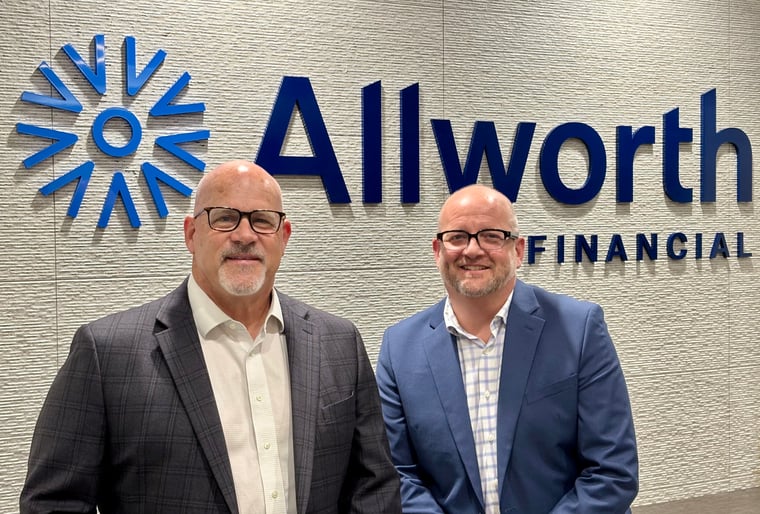
On this week’s Best of Simply Money podcast, Bob and Brian unpack the seven most common financial lies we tell ourselves – from “I’ll be happy when I have more money” to “I’ll figure it out on my own.” These aren’t just small white lies; they’re deeply emotional narratives that can quietly sabotage your financial future. Whether you're navigating lifestyle creep, market timing fears, or generational silence around money, this episode helps you recognize these self-deceptions and replace them with smart, actionable advice. Plus, tips for protecting your finances through divorce, estate planning updates you might have missed, and the growing threat of elder cyber scams.
Download and rate our podcast here.
Well, we all like to believe we make smart, rational money decisions, but the truth is a lot of our financial behavior is driven by emotion, stories, or narratives we've inherited, or even just flat out lies we tell ourselves to feel better in the moment. We've come up with seven of those such lies, Brian. It's going to be hard to get through all seven, so we've got to talk fast here. Let's start with lie number one.
Brian: We're going to hit the ground running here, "I'll be happy when I have more money. That's the only thing I need is a bigger pile." This one's the king of financial lies, and I think every one of us starts here, right? From our very first job, when we don't really have much in the way of responsibility, the first thought is save, save, save, invest, invest, invest. And younger people tend to look all over the place for that next thing that's going to double their money tomorrow before we learn how a market cycle works and so forth. Anyway, these are deeply emotional and very, very false things we tell ourselves. Money does solve problems and reduces the stress, but there is plenty of research out there to show that after a certain point, more money doesn't increase happiness. Now, Bob, you and I can guarantee this from the time we spend with clients who started with nothing, and now, have maybe $2, $3 million and are still worried that it's just not enough. So, always chasing that causes more stress than it brings peace.
Bob: Yeah. And you and I have both been doing this a long time, both of us over 30 years. I know you're a bit younger than me still, but I can remember one of the first conferences I ever went to as a young lad just starting out in this business, and an older gentleman was giving a wonderful presentation, and I never forgot it. There's not a lot of things I remember from those conferences, but I remember that man standing there and he was dead serious. This was a guy probably in his late 60s at that time. I was in my late 20s. And he said, "Let me tell you something, money only gives you one thing, choices." And I never forgot that because that was good advice. It doesn't give you happiness. Doesn't solve all your... It does give you choices.
Brian: You still got to make those choices.
Bob: And you got to make those choices, and the choices you make are what define your happiness. So, yep, the, "I'll be happy when I have more money," yeah, if you don't have any money right now, you'll certainly be happier because you have the opportunity to make more choices.
Brian: But the choices will come fast and furious though.
Bob: Yeah, but I think the point you're making, and it's a great one, just hoarding it, hoarding it, hoarding it, thinking that if I add another zero or so to my net worth that I'm going to be happier, that's a fool's errand. Let's move on to lie number two, which is, "I'll start saving later. I just need to catch up first." And this lie is all about timing, and that can be dangerous. We tell ourselves that we'll start saving once that next bonus hits or after the kids get through college, but the math is cruel. It's time, not income, that's the most powerful force in building wealth.
And I can remember my dad, Brian, sitting down in the basement one day. I think I was maybe in middle school or grade school, and I'm like, "Hey, what are you doing, dad?" And he's got all the bills out, the checkbook, and he's paying bills, and he told me at that time, he said, "You want to get yourself to the point, son, where there's not too much month left at the end of the money." And I always remember that. The point is, life is going to come at you fast, and with all these choices, whether it's getting married, having kids, buying cars. Whatever we do with that money, the sooner you can start, even if you feel like it's a minimal amount of money, $50 per paycheck, $200 a month into a Roth IRA, something like that, you will thank yourself if you started in your 20s when you're in your mid-40s, because that compounding effect really does work, and it's hard to catch up.
Brian: Yeah, that's a really important one too. And then here's another one, I think, that really plays into the first two, convincing ourselves that we can time the market. Well, no, you can't really do that. Lots of experience talking to people who really don't even... Actually, most people, I think, who are inclined to time the market are not thinking of it that way. Most people think of it in terms of fear. This is not, "I'm a gambler. I got all the answers. I can tap dance in and out, and only make the profitable times and sidestep all the downsides." That's not how this conversation occurs. Where it occurs is in somebody's urge to protect. In other words, the headlines get a little scary. We're kind of living through some of this right now. We have been for a while now. But people will think that, "Okay, I'll just get out now. And then when I feel better, I'll come back in."
That is something about the market psychologically makes us think backwards about it. If we go with our gut, this is a real dangerous place to kind of go with your gut. If you go with your gut, your gut tells you to get out at the bottom and buy back in at the top. "The horse is out of the barn. The market is down. My investments have lost. I'm going to protect because of this weird notion that the market can somehow go to zero for a brief period of time." And everybody has Uncle Charlie who lost everything in the market, and therefore, they're scared of it. And my response to that is, the market's right here. I'm looking at it. If he lost everything, then he wasn't invested in the market. He was speculating on something.
Bob: Well, Uncle Charlie, I love him.
Brian: Anyway, whether it's fear or greed, it's still timing the market. Right, yeah, Uncle Charlie. God bless Uncle Charlie and his crazy money making schemes.
Bob: Well, I think the emotion behind this, you talk about fear, and it's a great point. I mean, let's face it. People are working all day. They're focused on their job. And then as soon as we turn on any media news source, I mean, fear sells. They know that if we scare people, we're going to continue to watch. And so, if people get inundated with negative stories all day long once they turn on the news or any media source, yeah, you're going to have a little fear and you're going to be worried. Human nature is, "I don't want to lose any money." And that can cause people to sit out of the market for quite a while and miss out on great opportunities.
Now, one exception to this rule, and I'm not talking about timing, you know, market timing and all that, but you do have to plan. This is where I'll part ways a little bit. I mean, if you know that you're going to be buying a car in three months, or going on a cruise in two months, in other words, if you need some short term liquid cash to buy something or spend money, you don't want that money sitting in tech stocks up until the day before you need it. So, there's a time to refill the safe bucket, so to speak if you know things are coming down the pike. That's not market timing. That's just good, sound financial planning.
Brian: I agree. I couldn't agree more. Lie number four, we tell ourselves, I deserve this because I work hard. Well, this is lifestyle creep wrapped up in self-justification. Just convincing ourselves that we need things and we should go outside of our little envelope of comfort because the universe owes us something. So, we get promotions, we get bonuses, business windfalls, we get the opportunity to make us some decision. And all of a sudden, we're upgrading the house, the car, the vacations without a plan. These aren't bad things, right? I'm not saying don't do them, but don't do them without a plan. You have to understand if I take some action right now that's going to have an effect in the future, what is that? Can I handle that or is it going to force me to sacrifice something in the future? If you're in that position, then you're not building wealth, you're building overhead, stuff you got to maintain that you may not have the resources to do.
Easy solution. Have a plan. Understand what path you're on already. And with this new windfall, figure out whether you can truly afford whatever it is that you're considering. And if you can, go ahead, go confidently and do the things. We're not here to stare at a pile of money. But at the same time, if you have a plan, you'll know that this is too much, you know, that "Here's what I get away with, but here's what I can't." Especially for high earners, this comes up all the time. This one can keep you on that hamster wheel of needing more to maintain that lifestyle that doesn't actually bring you any long-term joy. You know, for those of you in the sales field, you know your management above you would love for you to buy that boat and buy that bigger house and keep yourself chained to the to that hamster wheel for a very long time. You've probably heard that from some of your sales managers.
Bob: Yeah, and I'll just add to that, Brian, I think that's where we got to be a little self-aware in our own emotions and what those emotions cause us to do. And here's what I mean. You know, at the end of a stressful day or stressful week or stressful month, we all tend to want to do something to relieve that stress. Some people go work out at night and do something productive.
Brian: What a waste of time.
Bob: Other people drink. Other people gamble. And other people pull out their phones and go on Amazon and find something to buy. You know, it makes them feel better. And that's what you got to...? Why are you making this decision? And are you buying a depreciating asset or an appreciating asset? And oftentimes, to the point I think you've already made, a lot of people just buy stuff because they think they can or they "deserve" it. And, you know, a week or 10 days from now, they wish they hadn't. You know, and that's where you can't let emotion rule the day.
Yeah. All right. Lie number five, "It won't happen to me." Whether it's divorce, disability, a job loss, or a health crisis, people assume and we all assume we are the exception, "That stuff will never happen to me." And, you know, the more affluent people tend to get, well, more often, people feel more bulletproof. And Brian, you and I have both seen some major wealth or dollars go out the door, not from bad investments, but simply from bad planning, and ignoring the fact that bad things do happen in the world, and we do need to plan for those.
Brian: Yeah. And I would say bad planning is actually no planning, right? If you if you if you stopped and thought at all and made any kind of a plan, then at the very least, you've reviewed something and gotten a general opinion on it. Bad planning is usually no planning at all. So, make sure that's not happening to you. We got two more to get through or we will have lied about our seven lies. So, let's move on to lie number six.
Talking about money is tacky, right? We can't talk about these things, right? It's taboo. This is very generational, and I'd also say, regional too. Very, very Midwestern thought that we all grew up believing that money is private and not to be discussed. You don't talk about it amongst family, amongst generations. That's for spouses to discuss only. Maybe sometimes that doesn't even happen. Definitely don't talk to your kids. Definitely don't talk to grandma and grandpa about it. You just put that nose to the grindstone and do your best.
Well, this leads to a lot of confusion. It leads to a lot of the situations that walk into our door, you know, with people who just weren't ever told what to do. I've had this conversation very, very frequently. The prior generation, I'd say, prior to the baby boomers, and maybe the early baby boom was never taught about what to do with wealth because there wasn't wealth. Those generations grew up with pension plans, right? "Work hard and your company will pay you forever even after you retire." And those were great lives. And those are good financial, you know, solid financial situations.
But at the same time, nobody said, "Here's what you do if you suddenly find yourself with a couple of million dollars in a 401(k)," because that's not what they could work for. Baby boom generation forward. Those who started working in the mid to late 70s. That's what they're looking at. We've got a solid pile of money we have to figure out how to deal with. It's not the same as having a pension. So, any advice you might have gotten, which probably wasn't much anyway, would have come from a different era, and is not really relevant. That's why so many people don't know how to deal with success. And we work ourselves into a grave because we had no concept what $2 or $3million could do for us.
Bob: Great. And then lie number seven, the "I'll figure it out on my own" lie. This is the life of the do it yourselfer. And look, there is nothing wrong with being smart, capable, financially literate. I tell folks all the time, Brian, the best client, in my opinion, is a fully educated client, you know, somebody that's really on top of things, because then, we can collaborate and make good decisions together. You know, what I'm talking about here is when it gets into taxes, business interests, legacy planning, estate planning and, you know, investment management, dovetailing with taxes, a lot of things start to collide in a hurry. And the cost of a mistake gets higher and higher, the higher your net worth gets. You don't need to know everything. You just need to work with people who do know a lot about it and have the tools to help you make good decisions.
And Brian, that's why you and I have jobs. I hate for this to sound self-promotional in any way. But, you know, when you get two or three heads in the room that are all working together with the right tools, you can usually come up with better decisions than any one of us trying to figure it all out on our own. Here's the all with advice, the biggest financial risk you face may not be the market at all. It might be the stories or narratives you're walking around telling yourself. Make sure you make a conscious decision to choose a better story for the rest of your life. Coming up next, we're going to walk through smart money moves you can make before, during, and after a divorce to protect your wealth and plan for your future. You're listening to "Simply Money", presented by Allworth Financial on 55KRC, THE Talk Station.
You're listening to "Simply Money", presented by Allworth Financial. I'm Bob Sponseller along with Brian James. If you can't listen to "Simply Money" every night, subscribe and get our daily podcast. And if you think your friends or family could use some financial advice, well, send us along to them as well. Just search "Simply Money" on the iHeart app or wherever you find your podcast. Whether it's preparing for cognitive decline, getting your spouse financially ready, navigating perhaps mismatched risk tolerances between spouses, and choosing between bonds and bond funds, we've got your questions and our answers straight ahead of 6:43. Well, divorce is one of those life events that can change everything, not only your home and your family dynamics, but your financial world as well. And while it's never something anyone plans for in advance, statistics show, Brian, that divorce is still very much a reality for millions of Americans.
Brian: Let's go over some statistics, some number behind this rather sobering topic. So, new data estimates that roughly 4 in 10 marriages are likely to end in divorce. That's for first marriages. That number gets even higher for second and third. That's why financial planning around divorce isn't just a nice to have, Bob, it's essential. It hits your finances hard, really, really hard. So, after divorce, most people need significantly more money just to maintain their prior standard of living, in many cases, 30% or more. Because the divorce people are still connected financially because of the way that alimony and sometimes child support, all that stuff works, so it basically means that you're not married, but now your finances have to support two households in some way.
So, you've got retirement accounts, the family home itself, investments, all this stuff has to be divided. And that can dramatically affect long-term wealth. And a lot of times, Bob, women tend to step back from careers for caregiving or defer financial decisions to their spouses, which leaves them at a disadvantage after that divorce. Some surveys show that half of these women completely defer financial planning to their spouse and aren't even involved in the meetings. I can confirm that. You probably can, too. But that can result in worse outcomes later. And it's not always the woman. Sometimes it's the man that wants nothing to do with it. But the point is, either way, unless you know what your situation is, you're not going to be able to really transition smoothly into a single household, should that befall you at some point.
Bob: Yeah, and it's not a men and women thing anymore. I went through a situation at the end of last year where the man in this situation, he had never filed a tax return on his life. He had no idea what the family had in the way of money. You know, his wife handled all of the finances. And, you know, to the point you've already made, you know, now when the divorce happens, we got to go back and figure it all out. So, let's get into some best practices here before you even file for divorce. You got to go in with your eyes wide open, if possible, and know every account, checking, savings, investment, retirement, real estate, and most importantly, any debts, especially those pesky credit card debts, because sometimes one of the spouses can get, you know, a little ambitious and go run up a credit card bill for a card that they "jointly" own. And the divorce happens and all of a sudden, one of the spouses is left with a potential debt. They had no idea where it even came from because they weren't involved in any of the spending. So, you know, I think what we run...
Brian: Bob...
Bob: Yeah, please. Go ahead.
Brian: ...I want to make a quick point on that, just quick story from the trenches. So, this about five or six years ago, but I had a case where it wasn't a divorce, but it was a death. And the surviving spouse found that her husband had run up $80,000 worth of credit card debt on the horses down in Kentucky. And she was absolutely panicked because that was going to sink their ship. But I had to rush and hurry. She was so panicked about it. She just wanted it paid off. We had to rush and scramble to get her to a lawyer so somebody could explain to her that that was not her debt. Credit card company definitely wanted it. They were calling her every day, but it wasn't her problem. So, again, this is not a divorce situation, unless you feel like it is. But if you are getting divorced, your spouse, your ex-spouse has credit card debts in their name, that is not your responsibility. The credit card companies could care less. They just want to scare somebody into paying it. But if your name's not on it, you don't know it.
Bob: Yeah, imagine being that woman. She's trying to figure out how we're going to take care of the kids, start a new household, and she's got a credit card company hounding her to pay off a debt she had no idea it existed. It's a mess. So, again, you got to sit down with somebody, a good, fiduciary advisor and an attorney, by the way, you're going to need one, and somebody that just can look through all the emotion and help you think rationally about what's coming down the road. Because, Brian, you know, a lot of time, and you know this, things can get heated and very emotional very quickly. And when emotion rules the day, that's when people can make rash decisions that will really burn them later.
You know, one of those decisions is, you know, "By all means, I'm never going to move out of my house. I want the house. I want the house." Well, you might get the house, but after the divorce, you might not be able to afford to live in the house when you factor in taxes, improvement costs, all that. So, this is why it's good to sit down with an advisor that can sit down and say, "Hey, what is your life really going to look like after this marriage ends." And just start from scratch on rebuilding a financial plan in the new reality post-divorce. And make sure you're making decisions on which accounts, because you're dealing with taxable accounts, non-taxable accounts, all that kind of thing. You want to make sure you're getting treated fairly and equitably, so you're in a position to at least succeed financially after this marriage ends.
Brian: And Bob, let's not forget, you mentioned stuff that a lot of people have to deal with. It's fairly simple to go in and split up a checking account or a publicly-traded securities brokerage account. But if you're a higher net worth, you might have business interests, trusts out there, private equity, private credit, complicated estates, partnerships that have carry in them, those kinds of things. That is not easy. So, I would definitely be looking at all of those details and budget time to take care of them as well. Much more complicated.
Bob: Here's the all with advice, don't let divorce leave your financial future to chance. Get organized early, use the right professionals, and rebuild with intention. And if you know someone in this situation right now, maybe send them this segment. Coming up next, we're going to talk about why cybercrimes against seniors are becoming a real family emergency and what you can do about it. You're listening to "Simply Money", presented by Allworth Financial on 55KRC, THE Talk Station.
You're listening to "Simply Money", presented by Allworth Financial. I'm Bob Sponseller along with Brian James, joined tonight by our technology and cybersecurity guru, Mr. Dave Hatter. Dave, it's always great to have you with us. Tonight, you want to talk about elder scams. And this is something that seems to be growing and growing in regularity. And it's something we all need to be aware of and make plans to prevent.
Dave: Yeah, guys, sadly it is. I appreciate you having me on, as always. I think this is an important topic because, you know, I have elderly parents. I know many of your listeners do. And this is a growing concern. So, just one stat. And this is a great site for folks, by the way, just for general stats and information, the Internet Crime Complaint Center, IC3, which is run by the FBI. They put out a fraud report every year that's got all kinds of stats in it. And again, the site is just useful in a lot of ways. I encourage people to bookmark it ic3.gov. Elder fraud losses hit $4.88 billion in 2024, a staggering 43% jump from the previous year. The average senior victim lost over $83,000.
And then another good site for some insight into this is the Federal Trade Commission, FTC, ftc.gov. So, here's a headline from a public service announcement they put out, "Business and government impersonators go after older adults' life savings." And then they have some stats in there, too. They say, in fact, reported losses of over $100,000 increased nearly sevenfold from 2020 to 2024. So, you know, I hate to always be the doomsday guy, the guy with the tin foil hat, always warning about this stuff. But, you know, I don't want to see people lose their entire life savings. And as we spend more time online in every facet of our lives, working, education, you know, school, you name it, think about it, what are you not doing online nowadays, it just creates that many more attack vectors for the bad guys.
You're throwing things like artificial intelligence, the ability to clone someone's voice, to generate incredibly realistic videos, incredibly realistic text to kind of eliminate all the old school tells like, "Well, I got an email asking me to do something weird and I need to send gift cards. The Hamilton County Sheriff's going to arrest me, but the grammar is all weird and so forth." All that's gone. The bad guys have access to low-cost or free tools that make it really easy for them to run these sort of scams at scale. And again, you don't have to take my word for it. You can see what the FBI is saying, see what the FTC is saying.
And at one last point, and then I'll let you guys start asking some specific questions, is, you know, again, the documentation is all out there. The scams are increasing. They're targeting elderly people in some cases. But, you know, we're all subject to all kinds of scams. And this kind of education is important, as is a healthy dose of skepticism and vigilance. You know, the Hamilton County Sheriff is not going to call you and tell you that because of a parking ticket, they're coming at 3 to arrest you if you don't buy gift cards or send a Venmo payment, right? They don't operate that way.
Brian: Hey, Dave. So, yeah, and those are all great examples, but you're right. This isn't new news anymore. But the one that is new to me is the deepfake stuff. I don't think we've even scratched the surface on that. I have yet to hear a story about somebody losing an awful lot of money yet to that, but that is coming, and it's going to be huge. So, these articles you sent is extremely helpful here, but they reference an awful lot about cyber insurance. So, I don't want to drag you off course here, but is this something that we should be considering? I mean, maybe we all have home insurance, we have fire insurance, we got flood insurance in some case. Are we at a point where we should all consider cyber insurance, do you think?
Dave: I think it's worth. As a business, absolutely. But I also find that many small businesses that I talked to about this stuff... Because in my real job, I'm out talking about this all the time and trying to help businesses protect their assets.
Brian: What do you mean your real job. Come on, Dave, this is your real job.
Dave: Yeah. People will say, "Well, I've got cyber insurance. I don't care about this." And I just like to remind folks, well, your fire insurance does not keep your building from burning down. Ideally, it helps you recover should that happen. So, you can't just say, "Well, I got insurance. I'm good to go." You need a strategy where you're trying to pardon your environment, defend yourself against these kind of attacks, be smart, be vigilant, move slow, and then be resilient. Part of that resilience, in addition to backups and so forth, might be insurance.
You know, as an individual, does it make sense to get some kind of personal cyber insurance? Maybe, especially if you have a lot of risk, if you're a high net worth person. But I think there's a lot of things you can do, guys. Again, the first step is always knowledge, right? I mean, you can't defend against something you don't know about. Knowledge, skepticism, it's doing the simple things we talk about all the time. Strong, unique passwords, multi-factor authentication. It's also doing things like freezing your credit. I'm sure you guys would agree. My credit is always frozen.
Brian: I've frozen mine.
Bob: Yeah, and mine's frozen.
Dave: Until I need to get credit, I keep it frozen. I unlock it when I need it, and I lock it back. You know, it's not foolproof, but you're raising the bar. You're making yourself a much more difficult target for the bad guys. Because in most of these cases, especially, you know, these targeting of elders, they're not specifically targeting individuals. They're going for low-hanging fruit. And if you take the kind of advice we're given out here, if you harden yourself, if you do these basic practices, you're going to be a much more difficult target. They're just going to move on.
And again, the skepticism. You know, I encourage any of your listeners, pick up the phone and try to call Microsoft or Google and get help. And my point is, they are not looking at your computer and going, "Hey, I think you've got a virus." I'm going to call you up today and tell you, "Let me help you remove this virus." If you get a call, an unsolicited call from a company that claims you have some kind of virus and they want to help you, the likelihood that that is not a scam, is probably greater than all three of us getting hit by a meteor right now. It is a scam, right? So, again, vigilance, knowledge, skepticism.
And when you look at the numbers, one of these reports say, there's $85 trillion in wealth out there in the baby boom and silent generation. The bad guys know this, right? They know there's an enormous amount of money. They know, in a lot of cases, older people may not even be aware that it's possible to create a perfect deepfake audio or video. And you guys mentioned, there is documented evidence already more in a corporate setting of large scale fraud that's been perpetrated using deepfake voice cloning and videos. I encourage your folks, go look up the story about the Ferrari CFO who nearly got deepfake voice cloned into fraud from the so-called Ferrari CEO. And these are people that know each other personally. This is a real thing.
Brian: I think you just gave us a segment maybe for next week. I'm going to write that one down.
Dave: It's a wild story. Look into it. Well documented.
Bob: Dave, I was going to ask about the whole phone thing and voice cloning. So, I'll just ask it this way. I mean, are we now at a point where it's just... Because I know what I do. I never answer my phone ever, ever, ever, unless I know who's calling me. I just don't answer my phone. Are we at the point now where our advice to folks, especially elderly and maybe vulnerable folks, just give that blanket advice, do not answer your phone unless you know who it is. Are we at that point? Is that the best way to protect folks?
Dave: I think so. I can tell you, I do not ever answer my phone from a number I don't recognize. And I'm even sometimes skeptical if it is a number I do recognize, because keep in mind, guys, spoofing, which in my mind is the biggest driver of all this. Creating something that looks realistic, but isn't, is fairly easy to do in any digital mechanism. It's really easy to send a phone call from any number you want if you know what you're doing, and it does not require a lot of skills. So, you know, if I could find one of your two cell phone numbers, or if I happen to have it, I could easily spoof a call that would look like it came from your cell phone. I could easily send a text that looks like it comes from you. And, you know, same thing with email.
So, skepticism, vigilance, don't answer the phone. If it's important, they'll leave a message or they'll contact you some other way. Go read what the government says, you know, IRS, FBI, they are not going to call you and tell you some terrible thing is going to happen to you if you don't make a Venmo payment by 5 p.m. They don't operate that way, and they state that clearly on their own websites. So, again, there's tons of useful information out there that can help people avoid these kind of scams, ftc.gov, ic3.gov. But it all starts with skepticism and caution like, don't answer your phone if you don't recognize the number. They'll leave a message, and if they don't, must not be important.
Bob: All right. Good stuff as always, Dave. You're listening to "Simply Money", presented by Allworth Financial on 55KRC, THE Talk Station.
You're listening to "Simply Money", presented by Allworth Financial. I'm Bob Sponseller along with Brian James. You have a financial question you'd like for us to answer, there's a red button you can click while you're listening to the show right on the iHeart app. Simply record your question and it will come straight to us. All right. Laura in Columbia, Tusculum says, "How much should we have in our emergency fund when we are not certain what our income will be from month to month?" This is a good question, Brian.
Brian: Yes, this is a real good one. So, you know, when your income can be variable, unpredictable, the emergency fund needs to be designed around expense risk, not really income, right? So, figure out what you're spending and then calculate it off that. The first thing, start with your core monthly expenses, not lifestyle expenses. What are the things you have to do? Housing, utilities, food, transportation, health insurance, any minimum debt payments, and if taxes are a bigger thing for you, then you might pay attention to that as well. That is non-discretionary. You don't have a choice. You just got to pay it and smile.
Then on top of that, layer those discretionary amounts, which again, this is an emergency fund, so most likely, you're not going to be comfortable doing any of those discretionary things. That doesn't mean don't budget for them in your emergency fund, but don't go nuts. You don't need to try to maintain every last bit of your lifestyle for that time period. It may be a period of time where the best thing you can do is kind of pull in a little bit and spend a little bit less. So, just make sure you understand, again, it's about spending, not necessarily your income. The income piece of this is just an easy way to calculate it. But if you're worried, you haven't bouncy income like Laura has described here, look at your expenses, can be a little easier to get a hold of.
Ron in Fort Wright, Ron says his parents never planned for cognitive decline and now it's creating some problems. And he's wondering how to protect their own finances, he's speaking of himself and his spouse, if one of them isn't able to manage things later on. Bob?
Bob: All right. Hard to tell here, Ron, exactly what's going on, so I'm going to give it my best shot. You know, as far as your parents, if they're still living, and depending on the level of their cognitive decline, there might still be a chance for them to maybe sit with an attorney and get a financial power of attorney in place to protect you and your siblings. You know, I would explore to see if that is a legal option. But for you and your family, by all means, get a financial power of attorney in place. These are not expensive documents. Oftentimes in Ohio and Kentucky, they're borderline form documents. I still recommend, you know, if you can get with a good attorney, sit down and do that. It's not an expensive proposition to get done, but it is critical.
And I have lived through this several times with clients, folks that I've known for a long time. I can tell that the cognitive decline is starting. And we've had to get into a couple of situations where, you know, I've had to tell our staff and just make a note in the file that we just simply cannot take direction from these folks anymore when they call in because they're not of sound mind. And that's meant as a protective device, so to speak, to keep them from making some big mistakes. I won't even delve into the whole cybercrime stuff. You've got to protect your people's computers, clicking on links, all of that. But this financial power of attorney is a relatively simple document, but it is so critical to have in place for everyone. That's the best advice I could give, Ron. I hope I hope things work out well with you and your parents.
All right. Time for one more. Brian in Westchester says, "I've always been the financial decision maker and that worries me. How do I make sure my spouse could step in tomorrow without being overwhelmed?"
Brian: Yeah, this is a very, very common problem. And I would say it applies to every single marriage out there. Where you've got two people, people tend to pick their duties within a marriage. Not very often is everybody on the exact same page with absolutely everything. And that usually means that one person knows where the financial skeletons are and the other one has no idea. So, first thing you want to do if you're concerned about this, reduce the decisions before you transfer the knowledge. That means consolidating excess accounts. If you've got that one account out there you opened 15 years ago, you can't even remember why you did it, pour it into something else. Reduce the number of places that your spouse will have to look.
And also, eliminating unnecessary strategies that require ongoing judgment calls. Some people are very active in markets or with businesses, things like that. If you are suddenly unable to make those decisions, your spouse is going to have to figure that out. You might want to make sure that stuff is really, really worth it. Try to automate bill, pay taxes and any contributions where at all possible. And maybe put together a one page financial map that shows where all your accounts, institutions, and the access methods are. How do you get to it? Insurance policies. More importantly, who are the different firms that you work with and those professionals that work there? What are the sources of cash flow in those kinds of things? So, again, I think it's really just a conversation of, here's where everything is, and here's how you get to it. Maybe do it once a year, right around your anniversary. I think it'd be a good time to kind of update your spouse on those things.
Bob: Coming up next, Brian has his bottom line, which is some fantastic estate planning advice. You're listening to "Simply Money", presented by Allworth Financial on 55KRC, THE Talk Station.
You're listening to "Simply Money", presented by Allworth Financial. I'm Bob Sponseller along with Brian James. And Brian's got some bottom line advice tonight on estate planning.
Brian: Well, Bob, a lot of people say, "My estate plan is fine. My wishes have been changed from 30 years ago." But the thing is, estate planning documents don't fail because your wishes change. They fail because the world changed around them. So, what's the first reason here? Well, old documents can become legally obsolete. So, you know, laws governing powers of attorney, trusts, and probates, those things evolve regularly. For example, they may not allow real estate transactions because it wasn't a thing when it was first written up. It may not permit gifting or tax planning, or sometimes, they can outright prevent things that you absolutely have every right, and should do based on the way tax laws have changed. Sometimes banks will reject them based on outdated language. So, you know, in a trust space, you know, trust can miss opportunities. They can create unnecessary complexity that maybe doesn't matter anymore or fail to protect surviving spouses or beneficiaries as needed.
In some of these... Another example where financial institutions rejecting these old documents, here's an example. A Kentucky couple had solid estate documents they had written up in the '90s. Husbands suffered a stroke and three separate institutions rejected that power of attorney, not because it was invalid, but because it was just too old and didn't meet these modern compliance standards that the lawyers would want to see. So, the outcome of this, well, bills get delayed, accounts get frozen, the surviving spouse can't, or the healthy spouse cannot access those dollars. And it required court involvement, which equals money and time. Then that was the whole point of the power of attorney. It was supposed to not involve any of that so that that spouse could move on and move on with her life. Here's a big one, Bob, digital assets. This is a thing that we definitely weren't thinking about in the '90s and maybe even early 2000s. The law literally wasn't there. But all three states within our listening area...
Bob: You mean grandpa didn't plan for cryptocurrency?
Brian: Yeah, grandpa didn't pass on his Dropbox password for all of his documents. Nobody knows what that is. But now, there are laws in place that govern this. Ohio, Kentucky, and Indiana follow various versions of the revised, uniform Fiduciary Access to Digital Assets Act. What it means is that without some of this updated language to reflect it, the executors can't get to your email. Photos could be lost. Online financial accounts can stay locked up. We found one story of an Indiana family who spent months trying to access their deceased parents email and online accounts, only to be told that the estate documents were completely silent on it. The assets were there to be dealt with, but the authority wasn't, so they just were never able to get to those things. So, make sure that if your estate plan, you know, if it predates smartphones, then it almost certainly predates this digital asset law, so you might want to take a look at it for those reasons.
One more. Family roles change even when your wishes don't. And this one can get a bit emotional. So, here's an example. A trust named two siblings as co-trustees. This was written 25 years ago. We were all different people when we were 25 years younger. Nowadays, one lives out of state, the other one's got health problems, and really neither can realistically manage this role alone. The beneficiaries didn't change, but the execution problems certainly did. So, make sure that the people who are going to be pulling the strings and making the decisions for you are capable of doing so. They may have been 25 years ago, but it's possible that they no longer can.
Bob: Great advice. A lot to consider there. And yet another reason to find yourself a good estate planning attorney to just sit down and make sure this stuff is all up to date. Thanks for listening tonight. You've been listening to "Simply Money", presented by Allworth Financial on 55KRC, THE Talk Station.
Insights for Complex Wealth Decisions
Join our email list for exclusive commentary from our Chief Investment Officer, early access to expert-led webinars, and your complimentary Wealth Planning Checklist for Complex Portfolios.
We take your privacy seriously and respect your privacy choices. By submitting this information you agree to our Terms of Use Agreement, Privacy Policy, and to receive important notices and other communications electronically.