
$450k Salaries & $1.1M Portfolios: Two Retirement Case Studies
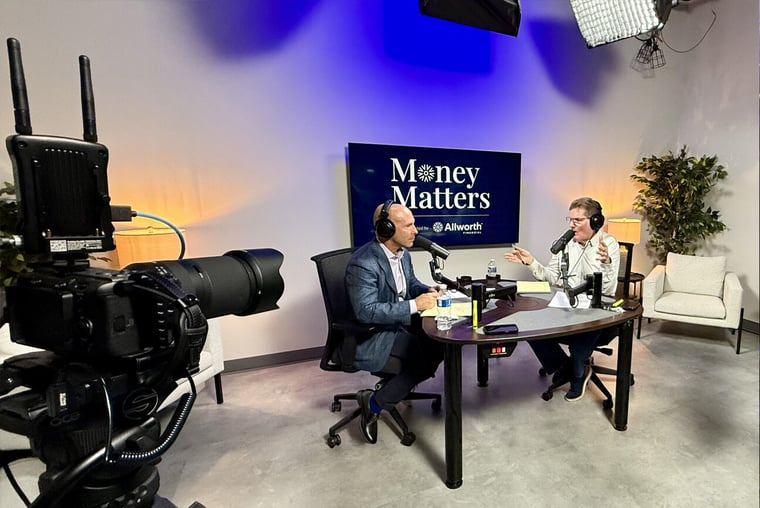
While Pat is on vacation, Scott and partner advisor Richard Del Monte break down two high-stakes financial scenarios that highlight the difference between "good on paper" and "good in practice."
Through two detailed caller case studies, they explore:
- Case Study 1: The $450k New Doctor. After 15 years of medical training, a 32-year-old is finally hitting a massive salary. But with multiple retirement options like 403(b)s and non-governmental 457 plans, her father is worried about "tying her hands" too early. Scott and Richard explain why some retirement plans are actually "traps" for young high-earners and how to use the "mega backdoor" Roth to maximize flexibility.
- Case Study 2: The $1.1M Retirement Reality Check. A couple plans to retire next year with just over $1 million, but they’re facing $125k in immediate "one-time" expenses for a wedding and new vehicles. The duo discusses the "4% Rule," the danger of "confusing a bull market with brilliance," and why a 19% return today doesn't guarantee a stress-free tomorrow.
- The Philosophy of Work: Richard Del Monte shares his personal "25-year plan" at age 70 and discusses why the most successful people often choose engagement over a traditional retirement.
Join Money Matters: Get your most pressing financial questions answered by Allworth's co-founders Scott Hanson and Pat McClain live on-air! Call 833-99-WORTH. Or ask a question by clicking here. You can also be on the air by emailing Scott and Pat at questions@moneymatters.com.
Scott: Welcome to Allworth's "Money Matters". Scott Hanson here. Pat McClain is somewhere on vacation. I'm not quite sure where he is. But Richard Del Monte has joined us. Richard is one of our partner advisors here at Allworth. And Richard and I have been friends and colleagues for 30...
Richard: Some odd years.
Scott: So, thanks for taking Pat's place today.
Richard: Absolutely. Great to be here with you.
Scott: Yeah, and it's funny. So, when I first started in the industry in 1990, I had some training classes. And Richard Del Monte was a big veteran. Maybe you're three years ahead of me.
Richard: I was like three months ahead of you, I think.
Scott: No, you're further along than that. And Richard got some financial planning classes. And I'll never forget, Richard, you did some profiles of some clients you worked with just to kind of train us. And one, it was a small business owner, and you showed how the tax savings by setting up this self-employed KIO, a pension plan, for this individual, how it dramatically reduced his current taxes today. And you did this projection 30 years out. And just the massive tax savings it was. And it was one of those moments as a young financial advisor like, "Oh, this is a pretty exciting industry because you can really help people." And you saved this guy a boatload of money. I forget what it was, but it's one of those things I remember from you teaching.
Richard: And we're still doing the same thing. It's great. It's awesome.
Scott: And you joined Allworth...
Richard: Two years ago.
Scott: Okay. So, we both started at a large...well, it was an insurance company, right?
Richard: Right.
Scott: I didn't realize it was an insurance company.
Richard: I didn't either. They did such a good job of masking it.
Richard: Yeah, you could be a financial planner. And it was like, "Hey, you're not selling enough insurance." I was like, "What? We have to sell insurance?"
Scott: That's not the same thing, right?
Richard: That's exactly right.
Scott: A little bait and switch, which is kind of how a lot of insurance is sold.
Richard: That's how it works, right?
Scott: Yeah. Anyway, so neither one of us lasted there too long. You went out and created a registered investment advisory firm very early on. And we kind of followed your footsteps like, "Well, here's what Richard did." So, we'd kind of did the same thing 30 some years ago. And then we've been kind of tracking each other for years. And just out of curiosity, what made you decide to be part of Allworth?
Richard: You and Pat, actually. You guys called me, you know, and said, "Hey..."
Scott: I think Pat called you a number of times.
Richard: You did, too, though. Yeah, but you basically said, "You need to do this because you don't have... When you're a small business owner, you're wearing all these hats. You're managing the business. You're dealing with the SEC. You're rebalancing portfolios. You're dealing with the staff."
Scott: Landlord.
Richard: Everything, you know. And so, Pat said, "You just get to be an advisor." I'm like, "Whoa, that's pretty cool." And that's exactly what happened. And it's been the best thing I've ever done, ever, as far as in my career. It's been remarkable. I have a hard head. My wife says, I have like...you know, you're not the boss of me tattooed on my forehead. Because we had talked many times about, you know, potentially us coming on board with you, but it took a while.
Scott: Yeah. And so, we've done, I think 45 or 48 transactions, something like that. And there's a number of larger investment advisory firms. I think it's kind of the wave of the future.
Richard: Sure.
Scott: Because it's really, things have become more complex, not less complex. And it's really difficult for a small shop to provide all the services that clients really need today. But what's been interesting is watching your journey, Richard. I know a lot of our listeners are also business people. And we're all going to get rid of our business at some point in time. Either we control the succession planning or someone else does...
Richard: Or it controls us.
Scott: ...when we're dead or incapacitated or something, right? And you went from kind of being the man to working for the man in some aspects, right? From the king to the prince. How did you navigate that?
Richard: Well, I mean, I was just allowed to continue to be myself. I had my group, my team that I brought over with me, and I got to work with them. And it was almost like I had the same exact experience I had before, but with way more resources. You know, I didn't have access to private equity and private credit and some of these long, short funds and all that stuff. I didn't have any of that. I didn't even know they existed, you know? And so, I realized after the fact, like, whoa, I really was not doing my clients as much of a service as I would have hoped. But it was, basically, I just didn't know any better.
Scott: Well, and I'm sure you know some others in the industry...
Richard: I know a ton of people.
Scott: ...that they kind of retire in place. It's pretty common.
Richard: Yeah. That's the thing. It's just let your business accrete.
Scott: Right? Because clients don't want to find a new advisor, and they don't know if this advisor's keeping up with the times or not, right? They've been working with them for 22 years. They don't want to switch now, and they're getting up in age. And these advisors, oftentimes, just kind of retire in place.
Richard: I'll call you back after noon when I wake up, you know, or something like that, you know? Yeah, yeah.
Scott: Yeah, so it's not necessarily good for clients, I think.
Richard: For anybody, you know, it really isn't. But, you know, like I said, this has been the greatest thing I've done in my career. It's been amazing.
Scott: Yeah, you've always had this good attitude, though.
Richard: But I'm so energized working here. I can't tell you. It's great.
Scott: Is it the resources? Working with a lot of young people? Is it...?
Richard: You know, well...
Scott: Because how old are you?
Richard: Seventy.
Scott: Seventy?
Richard: Yeah.
Scott: And what's your retirement plan?
Richard: Eighty.
Scott: At age...
Richard: I tell people, "You look at Mick Jagger. He's 83. When he stops dancing, we can talk." Really. I mean, you know, my job is not as stressful as his, you know. And I love what I do. I'm more engaged now than I was when I was teaching that class 30 some odd years ago.
Scott: It's interesting. When you look at some of the studies that have shown people working way past normal retirement age, right? And it's either the lower income that need the money, or the more educated and more professionals continue to work because they find engagement there and they continue to be of service.
Richard: And we have seen people, I know you've seen this, people that retire at a young age and then they just sort of start trailing off. Their health starts getting a little bit worse and they're not as engaged with the world and they really don't have any purpose. And where are you going to find something more fulfilling than this career?
Scott: Well, I mean, I find it quite...
Richard: I can't imagine it.
Scott: I've been in and out of a program called Strategic Coach over the years.
Richard: Me too.
Scott: A guy named Dan Sullivan.
Richard: Dan Sullivan, sure.
Scott: Yeah. Dan's, I think he's 82 now. And I rejoined back with him when he was 73 and I went in Toronto to some class and he says, he's 73, he's 3 years into his 25-year plan.
Richard: Yep. I remember. I was there when he started it when he was 70.
Scott: His 25-year plan?
Richard: Yeah. He was talking about it. I'm like, "Okay, this guy's thinking he's going to work till he's 95." And now I've looked at him, I've seen him online and stuff, like, the guy looks great.
Scott: He's 82.
Richard: He is killing it.
Scott: And he says his future's brighter than his past.
Richard: Absolutely.
Scott: It's really amazing.
Richard: I have no doubt. And he's the guy, he has the thing where he controls how much air he's getting and he climbs up the stairs with lead and weight all that.
Scott: His exercise.
Richard: Yeah. He works it, man. He really does.
Scott: But it's interesting because I know we both have helped lots of people retire over the years. And there's many people that have a career where they're working for a big company, they're on a plane every other week, and they have very little control over their life. And they're kind of like, "I need to get out of here. I need to retire." And we've helped numbers of those people over the years.
Richard: Like Sunday night is the worst night of their life, you know, because they have to go to work the next day. You know, terrible to be in that state.
Scott: Yeah. But fortunately, we're in a time where there's lots of optionality. And I know you've done this as well. I've worked with clients who are like, "I got four more years to go to retire." They hate it. "I just count down the days." They hate their job. And we're like, "What if you left today and did something you love to do that paid you two-thirds as much. And instead of retiring in four years, you retire in eight years or whatever."
Richard: Yeah. And it's an epiphany.
Scott: Right. And they make this transition. And they're like, "Why would I want to retire from this? I'm loving this."
Richard: Exactly. Exactly.
Scott: Yeah. Well, life's an interesting journey.
Richard: It sure is. It sure is. It sure is. I wish I'd known what I know now when I was, you know, in my 30s.
Scott: And what would you do differently?
Richard: I would have enjoyed it more, I think. I've been a driven, working guy forever. And I don't know. I think I would have smelled the roses a little more.
Scott: Isn't that one of the interesting balances, though? Because it's that drive, the thoughts of the future that kind of propels you forward. And the more you have that drive and the more you think about planning your future, the more driven you are, but the less you are in the moment.
Richard: Exactly. It's all about the future.
Scott: Yeah. And most driven people, successful people, that's where they live too much.
Richard: That's what happens, yeah. That's the price you pay though for the success. Because you don't get to live as much in the moment. This is a philosophical podcast.
Scott: We had a situation. The last couple of years I've been doing some... I'm turning 60 this year, so doing a little bit inventory of my life and that sort of thing. And so, I asked some people, "Give me an honest opinion, essentially." And both my wife and a good friend of mine said, "Sometimes I talk to you and you're not there. I'm talking to you, but I can just tell your mind is elsewhere." That's one of the things I was trying to get over.
Richard: I get that constantly. Not from my clients, fortunately. But I do get it from my family. They said, "Are you listening the way dad listens?" Which means you're not.
Scott: Oh, oops.
Richard: Yeah, I know I'm guilty of that.
Scott: Anyway, we're going to take some calls if you're listening like, "What are these guys talking about? Where's McClain when they're telling us jokes?" Anyway, if you want to join our show and got a question for us, you can always send us an email, questions@moneymatters.com. Just put the topic down and we'll schedule a time to get you in when we're in the studio taking your question. We're starting out now with Bill. Bill, you're with Allworth's "Money Matters".
Bill: Hello. I've enjoyed your show since before COVID, and a fairly avid listener to your podcast. Great work and support you guys do for lots of people.
Scott: Oh, thank you. I appreciate that, Bill. It's always a good way to start the show when someone gives us a compliment instead of calling me an idiot. But anyway, how can we help?
Bill: My topic is also on my family. My daughter, I've got two great daughters. The topic for today is older daughter. She will be, next year, a 32-year-old single female starting her first job as an attending, meaning that she finished four years of college, four years of med school, four years of residency...
Scott: Goodness.
Bill: ...and by that time, three years of fellowship.
Scott: Oh, my God.
Richard: Boy, that is something.
Bill: Yeah. Fortunately, she got some intelligence from the mom and she took as well as a Post-9/11 GI Bill. She is debt-free.
Scott: Wow.
Richard: That's great.
Bill: ...and has a fully-funded emergency fund and based on some matching in high school and college jobs and starting to fund a Roth IRA when she was in residency. She's got about 100k in a Roth IRA.
Richard: That's great.
Bill: She's doing well. Not worried long term. However, her new employment has three retirement plans, one of which I think I understand and pretty comfortable with, and the other two, I'm not quite sure how to implement or help her implement. The first one is the 403(b), which is essentially 401(k) and it has good, low-cost index options. So, I'm confident I can help her navigate that. The other two are a 457, non-governmental deferred compensation plan. And I've seen some examples of that being used on the back end at retirement, but using it as a young, 32-year-old when it can't be transferred to anything other than a non-governmental, 457 plan has me confused as to what you should do. And the last one is really is an IUL supplemental retirement plan that the hospital system offers. So, obviously, it's a nonprofit hospital system. So, what would you recommend a 32-year-old starting doctor do with the non-governmental deferred comp and/or this IUL plans.
Scott: Yeah, we'll talk through all these things. I think one of the things to be careful of, we can do all kinds of planning to get her current taxable income way lower, but odds are her income is going to go up over the years, and odds are her income in retirement is going to be much larger than it is today, particularly based upon she already has money saved.
Richard: Exactly, yeah.
Scott: If she had $500 grand of debt, maybe different story. So, it's a bit of a balance of... What's her salary going to be?
Bill: Her salary will be 450k. So, my current...
Scott: So, she went from making $32,000 or whatever, right?
Richard: Yeah, last week, to now 450. That's great.
Bill: Yeah, to 450. So, my initial thought is fully fund the 403(b) and use the backdoor Roth IRA contributions and ignore the other two. But I was concerned that I was ignoring them because I don't understand how one would use them at her age. And...
Scott: Well, the 457, it's kind of like doubling down because you can contribute the maximum to both the 403(b) as well as the 457. And I'm not sure if the plan, the 403(b) allows for the back end Roth. It's up to the plan administrator of how it's structured. Some employers allow for it and some don't. So, that may or may not be possible.
Bill: I'm sorry. I meant in terms of the backdoor Roth contribution to her IRA.
Scott: Oh, got it, got it, got it.
Richard: Okay, the 75. Okay.
Bill: Yeah, exactly.
Richard: You can also do a mega backdoor Roth contribution in the 403(b), right?
Scott: As long as the employer allows it.
Richard: As long as the employer allows it. Right.
Bill: My review of the supplemental plan did not show that as an option at this particular employer. I recognize that some do though. The problem, my issue with the, A, I think she wants to start saving up for a down payment or to own a place as opposed to renting, which will probably do the first year or two as an attending. But the 457, because anything that's saved in there either has to be distributed after she leaves that employer, it kind of prevents her from ever transitioning to a private practice type of arrangement. Because then she has to start getting this 457 money right at the time when she's getting the highest pay. I mean, if you're a 55 and you've got six years to go till retirement, you're going to stay at the same employer, then I see where 457 is a great retirement plan to marry with the 403(b), but I don't see...
Scott: Is her plan to go into private practice, or does she not know?
Bill: So, honestly, I would say she doesn't know.
Scott: Yeah, I suspect that.
Richard: It's early.
Bill: Yeah, exactly right. On one hand, she wants to stay in Hawaii and her practice, her specialty in Hawaii, which is where she will... She's in Connecticut now, but her job that she sets is in Hawaii. And if she stays in Hawaii, then she would probably stay with that same group. But she's 32 and I think tying her hands really that early seems wrong. And your point about her income going up makes me question whether further deferred is actually beneficial. So, that's a great point.
Scott: Yeah, I mean, I would kind of think even more the Roth 403(b) versus the tax deductible.
Richard: That's what I was thinking, too.
Bill: Okay. Got it.
Scott: I mean, I don't...
Bill: And...
Scott: And it's like we've been in one of the lowest tax environments of history, if we look at the last 50 years. And you look at where both the combination of our federal debt and the political environment right now with all these socialists getting elected into office, like, who knows where things are going to go? But I don't think tax rates are going to be going lower.
Bill: Yeah. Her marginal rate will basically be 50% though. So, I mean, that could see...
Scott: So, she's in Hawaii as well, which is super.
Bill: Exactly. Hawaii will have an 11% state tax at her income, marginal, obviously, not effective. And as far as an IUL supplemental retirement plan, do you have any ideas on that level?
Scott: Is that an indexed universal life?
Richard: That's what I was thinking. Is it a life insurance policy?
Bill: So, she doesn't need life insurance, but they provide it as an additional retirement.
Scott: Yeah, I would stay away from that.
Richard: No, that's not going to work.
Bill: Okay. All right.
Scott: So, you know what I was gonna...
Richard: That is not going to work.
Scott: We both started with life insurance company, too.
Richard: We've heard this story before. You know, if you're saving for a house, you can use the life insurance policy.
Scott: And, I mean, here's how these work. And first of all, an index, any sort of index policy... And my guess, it's not just like the S&P 500 index. It's an index annuity kind of concept in here where they guarantee her her premium payment and have some interest that's tied to an index. And so, there's lots of costs internally that you don't see. And not just cost of like a fees, but costs in, there's option contracts that are used to get the index returns where there's a... That's just a lot of friction in there, so they have a long, great long-term return. But they grow tax deferred. And if you use them correctly, you can get the money out tax free.
Richard: But if she wants to leave after, like, five years, she's going to have a big surrender charge on it more than likely I can imagine. And just, I think it would be...
Scott: I wouldn't do either of that at all.
Richard: ...not productive.
Bill: Got it.
Scott: So, it's really the 403(b) and the 457. The 457, she should be able to roll that into an IRA.
Richard: Absolutely. Yeah, because it...
Bill: No, 457 non-governmental, governmental can be, but non-governmental cannot be.
Richard: Okay. Feels like a deferred comp then.
Scott: And I would not use it.
Richard: Yeah, I wouldn't use it either.
Bill: Okay. All right.
Scott: At 32, 52 is a different story. She's 32.
Richard: Yeah. Unless she needed a bunch of capital to start that business, you know, then it could be a source of capital, that she could offset it with a tax deduction for investing.
Scott: Is there a Roth option with that?
Bill: So, there are Roth options. Well, I'm sorry, I don't know about the 457, but the 403(b) has a Roth option. The 457, I will have to check to see if it does. I don't know.
Scott: But don't you still need to be 50 years old for a 457 to be taxed, otherwise there's still retirement penalties.
Bill: Well, no, the... It avoids the penalty. That's the one plus with the 457. The disadvantage is it's adding taxable... If she ever leaves, she has to start taking it with...
Richard: She has to start taking it.
Scott: And if there's a Roth option there, I kind of like to be able to use that for some, but if there's not, I would just stay away from it.
Bill: Okay. Got it. Thank you.
Scott: I like the concept of, let's max out our 403(b). There's pros and cons, whether you do a pre-tax or after tax, maybe split it down the middle. Do half pre-tax, half after tax. Because you don't know the outcome in the future and you're kind of hedging your bets both ways.
Richard: You're going to win somewhat either way. Whatever happens, you're going to be okay.
Scott: You're right. Half the time you're wrong. And then have her save for both the house as well as practice.
Richard: Business, yeah. And Bill, one more thing. Go back and have her check with HR to see if the mega backdoor Roth is an option. They don't always publicize it, but if you ask, they might have it.
Scott: Yeah. And why don't you explain how that works?
Richard: So, a mega backdoor Roth, the law allows...
Scott: A lot of 401(k) plans have this. Pretty common.
Richard: Many. The law allows you to put away up to around $70,000 altogether in employer contributions and employee contributions per year. So, that could be a combination of the salary reduction amount, which is in the 20,000 to 30,000 range, and then employer contributions. But then there's an extra amount that maybe could be 40,000 or something. And that amount the employee could put in after tax, and then they could immediately convert it into a Roth IRA.
Scott: And some plans help the employees do that, right?
Richard: Yeah.
Scott: Like, here's how the contribution works. And once a year, they automatically convert it to the Roth. And that's how they make it nice and simple.
Richard: Right. So, we have that.
Scott: It's an after tax contribution technically.
Richard: Yes, it's great.
Bill: Yep. I understand. It'd be perfect for a Roth because tax is already paid.
Richard: Yep.
Scott: Yeah. And if that's available, maybe she does the pre-tax on her salary reduction, the normal contributions, and then the after tax portion that then gets converted to a Roth, obviously, that's going to be in the Roth portion.
Bill: Okay. Sounds great.
Scott: All right, Bill. And congrats.
Richard: Okay, Bill. Yeah, you got a successful daughter. That's great.
Bill: Well, I've got two successful daughters.
Richard: Awesome.
Bill: The other one just graduated from UChicago Law, but I understand her retirement plan.
Scott: Wow.
Richard: Wow. That's amazing. Congrats.
Bill: Thank you.
Scott: Yeah. Congrats. You never know.
Richard: You never know.
Scott: And it's funny. I went running this morning with a group of friends and this person I've known for quite a while, I had no idea, like, guess we're just sharing, "I've got a bit of a challenge with one of my kids." And she was talking about the challenge she's having with one of her kids. And it's just like one of those things you never know.
Richard: Yeah. It happens.
Scott: There's no guarantees when you have kids. Anyway, let's continue on here. We're talking with Pam. Pam, you're with Allworth's "Money Matters".
Pam: Hi, good morning.
Scott: Hi, Pam.
Richard: Hi, Pam.
Pam: Hi. My question is, we're getting ready to retire next year. And so, my husband is still working. I'm running our portfolio. I took that over about last year. And we've got about a million and a half...no, just over a million in there. And we own our home. We also own a commercial property which is worth about $100,000. But my question is, how much... Like this year we have a wedding, our daughter's wedding. We have vehicles that need to be replaced and trucks are expensive. And my question is, how much can you take out and safely go into retirement next year with...? We're Canadian, so he will have pensions from the government. But, you know, we were business owners. So, there's my question.
Scott: Pam, how old are you?
Pam: I am 61. I'll be 62 here.
Scott: And your husband is the same age, about that?
Pam: My husband's 63. He'll be 64 this year.
Scott: And you said you had business owners. Was the business sold or is the business just going to be winding down?
Pam: Yeah, he sold it about five years ago.
Scott: And has he been working back in the business, or...?
Pam: Yes, he has. Yeah.
Scott: And then the plan is to retire next year?
Pam: That's right.
Scott: And do you work outside the home or you retire?
Pam: No, I trade stock.
Richard: Wow. How much is your income now?
Pam: We made about 106 last year.
Scott: And is that in wage or is that counting your portfolio?
Pam: That was, I made about 60 in my portfolio.
Scott: Okay. And so, his wage, essentially, was $45,000?
Pam: That's right.
Richard: Okay, 45.
Scott: Okay. And I'm not familiar with the Canadian Social Security system. What kind of retirement income will it be there?
Pam: Pension?
Scott: Yeah.
Pam: Yeah. So, CPP and OAS is what he would get next year. And...
Scott: And how much will that be on an annual basis?
Pam: Probably, if I looked at it, I think he's maxed out, so he's probably around maybe $1,500, maybe about $1,800 a month. I worked it out to maybe $29,000 a year if he's maxed. So, somewhere in there.
Scott: So, we're going from, essentially, from $46,000 wage to $29,000?
Pam: That's right.
Richard: And how much... I'm sorry.
Scott: Go ahead.
Richard: How much do you spend?
Pam: We spend about $70,000 a year.
Richard: Okay. So, you have to make up about $41,000 a year?
Pam: Yes.
Richard: And that's before taxes?
Pam: Yeah. And I've got dividends, but I also have growth and I'm buying and selling, right, so...
Scott: And what do you expect your return will be the next decade with your million dollars?
Pam: You know, well, I'm hoping... You know, we've got a good market right now. My return rate now is around 19% I'm making overall with my RSP, TFSA, and investment. That's what I'm doing right now.
Scott: Okay. But what do you expect the next decade? And do you expect any other downturns to come in the future?
Pam: Well, of course. Yeah, the market always takes its downturn. So, I'm not sure about... Because I haven't hit that, yet. I've seen it happen in 2000, you know, when COVID hit.
Richard: How much do you have in stocks versus a fixed income?
Pam: Probably right now I'm about 70% in stock.
Scott: I mean, so if you stated that we need to make $41,000 a year off our million dollars, I'd say that's...
Richard: A million and five.
Scott: Is it a million five Canadian, a million U.S.? Is that...?
Richard: Oh, well, yeah, that's...
Pam: It's Canadian.
Scott: Is it 1.5 or is it one?
Pam: I'm just over... One, actually.
Richard: Oh, I thought it was 1.5. Okay.
Scott: So, I mean, there's kind of a rule of thumb that is kind of talked about a lot in the industry, there's a 4% withdrawal rule. And what that really says is if you retire and you take 4% off your portfolio and you adjust that each year with inflation and you ignore other outside factors. So, that always continues. So, that's just kind of a... Sometimes as advisor, we'll just kind of look first glance, does it kind of follow that? You follow that, no problem there. The concern, when you first started, you said you need to replace two homes and you have a wedding. Now, hopefully, you won't have another wedding for that daughter in the future, but you will need new cars again.
Pam: Two, yes, yes. And we're right there right now.
Scott: Your age, odds are, at least one of you is going to be live into your 90s. So, you might need...
Richard: Several cars.
Scott: Yeah, between now and that time.
Pam: Yeah, that's right.
Richard: How much will these cost now? How much do you need to pull out?
Pam: Okay, so a truck, about almost $60,000. A car, probably over $40,000, $45,000 maybe. So, over $100,000.
Richard: And a wedding?
Pam: And a wedding, well, we know how that goes.
Scott: Well, no, they're very... They can be all over the place.
Richard: Yeah, are you Taylor Swift-ing it or what are you doing?
Pam: No.
Scott: Jeff Bezos.
Pam: I'd love to be able to Taylor Swift it. But right now, we're probably in for about $20,000 on the wedding at this point.
Richard: So, $125,000. And do you have to pay... Is this in a retirement account, this $1.1 million, or is it just in a brokerage account?
Pam: About $500,000 is in retirement and TFSA, and the rest is in investment account and cash.
Richard: Okay.
Scott: I mean, it's going to be a little tight.
Richard: That's what I was thinking, it's tight.
Scott: Because although you've made 19%, we're in a great bull market, right? And the stock market's going up. But if you look historically, stocks have returned about 6% or 7 percentage points above that of the rate of inflation. And then if you think of adding a little fixed income in your portfolio, you can't have everything as stocks in case there's a down year and you need your income, right? So, I mean, I would think kind of a comfortable long-term growth assumption would be a 7% return.
Richard: Yeah. You know, we've been around long enough that... There was a study done of individual investors, like, what do you think the market's going to do over the next 10 years in 2000? And they said, "Oh, 30% a year." And you know what it ended up being, like the S&P 500? Zero for the next ten years, no return.
Scott: A little bit of dividends, but the index went nowhere for a decade.
Richard: Nowhere.
Scott: The last decade.
Richard: So, you never know. And just when everybody's as bullish as you can imagine, it can turn on you.
Pam: Exactly.
Richard: So, a lower expected return is much more reasonable, especially 70/30, where you are, you're talking about 70% equity. So, it's just tight. You're talking about pulling out maybe 5% or a little bit higher, right? If you take out $125,000 from $1.1, $1.1 million, it's tight.
Pam: Yeah. And that's what I'm thinking. That's why I had this question. It's like, you know, I'm thinking, going forward, are we, you know, not ready for this, yet?
Richard: You're kind of setting yourself up for a potential problem.
Scott: And one of my concerns as well, Pam, is there's that old saying, don't confuse a bull market with brilliance, right? And when the market's going up... You brought up year 2000. I remember meeting with someone in January of 2000. They were bragging about how well they did on trading their tech stocks. And they said, "I made 77% last year trading tech stocks, 77%, Scott." And I said, "Oh, well, the NASDAQ index was up 85%. So, had you just bought the tech index, you could have stayed on the beach all year and you would have made more money than trading." So, when the market goes up, you know, if we're trading, you do enough trades, you're going to end up with similar market returns just because that's the nature of things.
Pam: Right. Yeah. And...
Scott: So, if you are my sister, I'd say, "Pam, I think it'd be important to, at least, have a financial advisor in your corner if you're not ready to hire one now. Because they're going to go through a rough patch, there will be a downturn."
Pam: There will be. That I know.
Scott: Bear markets come, and the bear market at 20% decline comes historically about every three and a half years. And they're often longer durations than the ones we've experienced thus far. So, we had Liberation Day recently.
Richard: A month, two months. Yeah.
Scott: COVID was super short lived as well. But if you go back to other ones, they could last.
Richard: Three, four years.
Scott: Yeah, but before you hit new highs again.
Richard: Yeah. So, one thing you could think of is working a little bit longer, having your husband work a little longer, or see if you could live on less. Those are some of the arrows in your quiver that you could, you know, use if you really want to retire next year.
Pam: Yeah, the other...
Scott: Yeah. I would be really careful this next decade to not take more than 4% of that portfolio.
Richard: I agree. I agree. Especially when you're tight.
Pam: Yeah. Okay. That sounds really reasonable. I'm not pretty much where I was at, but I wanted to ask the question because it's like, you know, when you're going to take money out, you're like, "Mm." And you've got to take money out to live.
Scott: Yeah. And it's an interesting... You know, when you go from all these years of having a paycheck or income from your business and you're putting money into your savings. Suddenly, you're going to, there's no income coming in, and now, you're not putting money into your savings account. You're pulling money out.
Pam: It's not great.
Richard: Yeah, it's a whole different game. The fear factor is much higher.
Scott: Yes. And now, oftentimes, people have time to sit and look online and watch the portfolio all day long.
Richard: You ever watch CNBC in a down market, your stomach just comes out. It's horrible.
Scott: Of course, it's all the headlines are horrible.
Richard: It's horrible. Yeah, yeah, it's terrible.
Scott: All right, Pam, we wish you well.
Pam: Thank you so much.
Richard: Hey, Pam, one question for you. Do you Canadians still like us?
Pam: Pardon?
Richard: Do you Canadians still like us?
Pam: Can you ask? Do Canadians still like...?
Richard: Yeah.
Pam: Well, that's a big question.
Scott: I was just in Nova Scotia two weeks ago on a cycling trip. Yeah, thanks for calling Pam. I was in Nova Scotia.
Pam: People come over here to apologize.
Scott: And they said that... You know, there's been this talk of secession and stuff with Quebec. But after what Trump has done the last year, like, they've really united. And all these Canadian flags, they said, "This region, you would have never seen Canadian flags." They're like separatists. Now, they're like they've reunited again and they don't like Trump much, obviously. But Canadians are always just such friendly people.
Richard: They really are.
Scott: You know, we're talking about these different market cycles and I think back to the year 2000. Because that was, in some ways it feels a little similar today, right?
Richard: It does.
Scott: Yeah, new technology, transformational technology, a lot of players. We don't know who the winners are going to be.
Richard: Not so worried about price earnings ratios or any of that kind of stuff.
Scott: Valuations, who cares about valuations, right?
Richard: The future is... You know, yeah.
Scott: Right. That's kind of some of what's happening now. And it's like, oh, it's just going to keep going up, up, up. And so, the returns look good. And then the challenges when people extrapolate the current market for the next 20 years, like, maybe this AI is so transformational, returns are going to be phenomenally high for the next decade, but...
Richard: Highly unlikely.
Scott: Highly unlikely.
Richard: Yeah, right.
Scott: And so, I remember back in 2000, right around that time, someone referred to me. they were going to take this lump sum retirement offer from their employer. He was relatively young, 50 some odd. And he showed me his rate of return assumptions. His lowest rate of return assumption was 12% and his highest was 20%. And he worked with some sort of financial advisor, sort of, someone was telling him like this... So, this is the range he had of return. So, if things go poorly for you, you only get 12%.
Richard: Twelve. Oh, boy.
Scott: And so, I remember I met with them and I said, "Well, let's look at history." And we pulled out lots of different graphs and different time... Like, history repeats itself. We're going to go through bad times again. And we don't know when they're going to happen. And I said, "Look, I think really like an 8% long-term rate of return assumption would be a..."
Richard: Max.
Scott: Yeah, "That'd be a much safer place to be." And he's like, "Scott, I'm so glad I talked to you. Yeah, thank you." And then he called me like three days later and said, "Never mind. I'm going with that advisor after all."
Richard: Going with 12% to 20%.
Scott: Twelve to twenty. And I think about him sometimes because I think...
Richard: It's what happens.
Scott: I'm sure he didn't stay retired.
Richard: Probably not.
Scott: Of course, not.
Richard: Probably not. Yeah, it's terrible.
Scott: Anyway, Richard, it's been fun having you on the program today.
Richard: Yeah, thanks. It's been great.
Scott: And by the way, if you like this program, it helps us if you subscribe. And by the way, and if you subscribe, you also get the downloaded podcast each week. And our YouTube page, we've got quite a bit of content on our YouTube page, short videos and stuff where we solve some planning challenges, financial challenges, and that sort of thing. So, we encourage you to go to Allworth's YouTube channel to learn some more, increase your education on the financial topics. It's been a pleasure having you with us today. This has been Scott Hanson and Richard Del Monte of Allworth's "Money Matters".
Automated Voice: This program has been brought to you by Allworth Financial, a registered investment advisory firm. Any ideas presented during this program are not intended to provide specific financial advice. You should consult your own financial advisor, tax consultant, or a state-planning attorney to conduct your own due diligence.
Insights for Complex Wealth Decisions
Join our email list for exclusive commentary from our Chief Investment Officer, early access to expert-led webinars, and your complimentary Wealth Planning Checklist for Complex Portfolios.
We take your privacy seriously and respect your privacy choices. By submitting this information you agree to our Terms of Use Agreement, Privacy Policy, and to receive important notices and other communications electronically.