
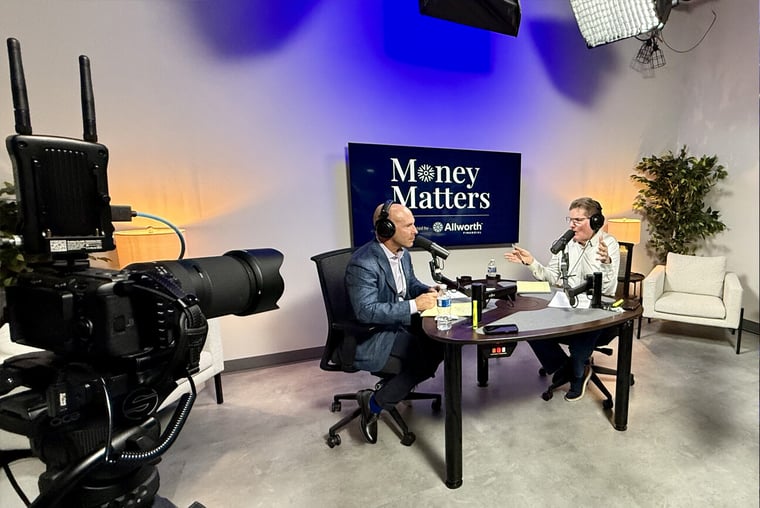
$6.6M Saved at 63: Roth Conversions, Gifting & Tax Traps
What do you do when you’ve saved $6.6 million for retirement, but a potential future tax bomb and healthcare subsidies are keeping you from pulling the trigger on Roth conversions? In this episode of Money Matters, Scott is joined by special guest co-host Richard Del Monte (filling in for Pat McClain) to answer real calls from listeners navigating major financial milestones—from generational wealth transfer to retiring early with a public pension.
In this episode, we cover:
The $6.6M Dilemma: A 63-year-old caller has built a massive nest egg but fears a major tax hit at age 75. Should he convert to a Roth now, or does preserving his ACA health insurance subsidy make waiting the smarter play?
Gifting to Adult Children: The most tax-efficient ways to help your kids buy a home while you’re alive to see them enjoy it.
Retiring at 50 with a Pension: A 40-year-old with young kids, rental properties, and a public pension wants to know how to structure investments for a 50-year retirement.
457 Plans & Asset Placement: How to balance pre-tax vs. Roth contributions and when to transition extra cash into taxable brokerage accounts.
Join Money Matters: Get your most pressing financial questions answered by Allworth's co-founders Scott Hanson and Pat McClain live on-air! Call 833-99-WORTH. Or ask a question by clicking here. You can also be on the air by emailing Scott and Pat at questions@moneymatters.com.
Scott: Welcome to Allworth's "Money Matters." Scott Hanson here. Pat McClain is off today. And I might as well provide full disclosure because he had mentioned on the show that he was having open-heart surgery, which was a very successful surgery. He's back home recovering. So that's great. We're going to have McClain around for another decade or two. So we're glad about that.
Richard D.: Yay, Pat.
Scott: Yeah. So Richard Del Monte is sitting in for Pat today. So welcome, Richard.
Richard D.: Thank you. Great to be here with you.
Scott: And I've known Richard. He's been a guest on the program in the past. We've done this together before.
Richard D.: We have.
Scott: But I've known Richard since 1990, when I first started in the industry. And Richard taught some financial planning classes that I remember attending and learned a great deal from you as a young man.
Richard D.: We were all pups back then. You know, we're all wet behind the ears.
Scott: Well, it was really the early days of independent advice too...
Richard D.: Oh, for sure.
Scott: ...back in the '90s. And I know you started an independent shop in the '90s. We started an independent shop in the '90s. Back then we were kind of mocked by, like, the big banks and stuff.
Richard D.: Oh, yeah.
Scott: Yeah. The stockbrokers tease us for being these little pups or whatever.
Richard D.: Yeah, yeah. Who got the last laugh?
Scott: Yeah. So, yeah. And Richard's been a wealth manager for...
Richard D.: Thirty-plus years, something like that. Yeah.
Scott: Yeah. And you still are really active.
Richard D.: Oh my gosh, yeah.
Scott: You seem like you're having more fun now than ever.
Richard D.: I feel like I'm doing somersaults through my life, you know. It's just so much. It's so great to be able to...especially with all the things we have now at our disposal, at Allworth, you know, the programs and the investment opportunities and things. I just have a ball. I wake up. You know, people hate Sunday nights, you know, because they have to go to work the next day.
Scott: Some people.
Richard D.: They start dreading it. Yeah, some. I can't wait. Sunday night, I'm thrilled. Like, I start thinking about what I'm going to do tomorrow. I start looking at my calendar or getting ready.
Scott: That's amazing.
Richard D.: No, it's terrific.
Scott: And if you don't mind, how old are you, Richard?
Richard D.: Seventy.
Scott: Okay. He looks about 55.
Richard D.: Thank you.
Scott: Fifty-six, maybe. But what's fun is, like, you are passionate about continuing to work, continuing to serve.
Richard D.: Absolutely.
Scott: And it's interesting because I'm 60. I don't want to retire. I think it's important to get to a point...for everyone to get to a point where work is an option and not an obligation. Make sure you've got the financial planning so you can do that. And I think we've both seen enough people. Some people do retirement wonderfully well. They know how to leave the workplace. They've got all kinds of things lined up. They find purpose in their life. They still have community. They're still in service, all those things. And then we've seen others that their world just gets smaller by the day.
Richard D.: Gets smaller. Netflix and Amazon Prime, and it's like that. It's just, you know, it becomes...
Scott: Yeah, Fox News and CNN. Yeah.
Richard D.: And health. And they hang around other people that are old. And so then all they talk about is their aches and pains. And the next thing you know, you have a whole community that's agreeing that we're going downhill and that's what you expect. So I like to hang around with young... Dan Sullivan. You know Dan Sullivan, right?
Scott: I've re-signed up. I'm back on Strategic Coach.
Richard D.: Good for you.
Scott: I'm joining his Free Zone program in February.
Richard D.: Awesome. Well, he says he will not hang around with older people. He likes to hang around with people who are 30 years old.
Scott: That's ageism a little bit, I think.
Richard D.: Well, but he said, "I prefer to hang around with people that are young, because they're talking about interesting things."
Scott: So, what's interesting, you mentioned Dan Sullivan. He's got a program called the Strategic Coach. He's coached something like 30,000 entrepreneurs around the world. And he's got this quarterly program that I've been in and out of for 26 years. Been very influential in my life. If I was to list 10 people who've had a big influence in my life, he would be one of them. And I re-joined his program nine years ago. And he was 73 at the time, and he told me he was 3 years into his 25-year plan. And I remember thinking, "How many 70-year-olds have a 25-year plan?" He's 82 now, and I'm joining back in his program in Chicago for the first part of next year.
Richard D.: I was there at the outset when he was 70, talking about when he was going to do that. He lived to be 95 and working hard and all that. And I thought, "This guy's crazy." But when you look at what he was doing, he had those exercise programs. He puts 30 pounds on him, climbing up and down the stairs. And he has a little thing that crunches down how much oxygen he gets, because he has to learn how to do it with no oxygen. He probably will live that long.
Scott: But the point, I think, Richard, is we've both seen a lot of people go into retirement. Some do it well. And it's interesting how our jobs, the profession of wealth management, has evolved, not just in the tools you were talking about, all the tools and all the wonderful planning opportunities we have, but it's also helping people think through, "What do you really want these dollars to do for you?" Just because you have a big stack of greenbacks doesn't mean that you should just sit on the beach drinking Mai Tais.
Richard D.: Right.
Scott: That's what the advertisements tell you, but for most people, that's not the secret to happiness.
Richard D.: Right. It's about finding meaning and purpose, right? That's what it's all about.
Scott: Yeah. And community.
Richard D.: And community, for sure. Yeah, yeah, yeah.
Scott: Yeah. So it's been interesting how the profession has evolved a bit. So, glad you're here with us. We're gonna take some calls and answer some questions. If you would like to join our program, we'd love to have a conversation with you. The best way to do it is just send us an email at questions@moneymatters.com. Starting off here with Dan. Dan, you're with Allworth's "Money Matters."
Dan: Hey, guys. Thanks for taking my call. I love your show.
Scott: Thank you. Glad you're glad to join us. Where are you calling from?
Dan: Indiana. Indiana.
Scott: Indiana, all right. I was looking at 515. I didn't recognize the...
Dan: Oh, yeah. No, that's not right. This is my third time on the show.
Scott: Oh, wow.
Dan: I feel like we're old friends.
Scott: Either that or we're not giving you good advice, you have to keep coming back.
Dan: Well, the first two times, you just kind of reconfirmed what I was kind of thinking, but it's kind of nice to get an actual voice and not a spreadsheet to go through these things. So I appreciate that.
Scott: Yeah, I get it. Hey, look, I do the same thing. I'm a financial... I mean, I can crunch all the numbers, and I still like to call somebody.
Richard D.: Talk to somebody else. Yeah, for sure. Yeah.
Dan: Yeah.
Scott: Yeah, there's a couple of people at Allworth that were sending emails this morning, and I think about it to somebody.
Richard D.: Interesting.
Dan: Exactly, exactly. So I've got a couple of questions. And being my third call, third time calling in, this is the first time that I'm going to bring up the dreaded or ever popular Roth conversion question.
Richard D.: All right.
Dan: The second question really is about gifting an amount and where to pull that money from. So, I guess, why don't I start with, I guess, just laying out the portfolio, where it's at, the allocation...?
Scott: Yeah, perfect.
Dan: ...and our spending and all that, because I know how you guys roll. So let me start.
Scott: It's kind of like if you go to a doctor to get a physical and you don't let the doctor touch you or answer any questions, what are they going to do for you?
Richard D.: Yeah, look at any labs or anything.
Dan: Can't get any accurate answers, can you? Okay. I'm 63. My wife's 62. We've been retired about five years, and we're the couple that had a really easy transition. It's been a glorious five years.
Scott: Yeah, good.
Dan: We keep fairly busy, but not too busy. We've got the hobbies, and we take care of ourselves. And life is good so far.
Scott: Did you have a demanding corporate job before you retired?
Dan: I don't think it was really demanding. I was ready to leave mostly because I was just bored. I was just bored out of my mind.
Scott: Okay, I get that.
Dan: Yeah, I wasn't...my health wasn't declining because of stress or anything like that at all.
Scott: You felt that you weren't growing anymore.
Dan: Exactly. Well, that stopped about 20 years ago. I just hung on as...
Richard D.: Oh, man, that's rough.
Dan: So that part was rough. So we're doing good in retirement. Let me break down. I got a brokerage account. When I say I, it's we. Yeah, my wife would like to hear that. So brokerage account. We got the IRAs, which is essentially our 401(k)s rolled over. And then we also have some Roth.
Scott: Okay.
Dan: Brokerage account, the total amount in the brokerage account is a little over 2.5 million. Of that, about close to 300,000 of that has been fixed, mostly CDs and money markets. That's what we live off. That's what we have been living off for five years. I haven't had to cash anything that's going to trigger a capital gain in that brokerage account or anything. And the rest is inequities, mainly a couple index accounts. And I've got a little bit of stock, but that's pretty much where the brokerage account is. And that's pretty aggressive. It's about a 90-10 allocation. But we're comfortable with that just because we know Social Security is coming, and we'll be tapping into the IRAs in another couple of years.
Scott: And are you having the dividends reinvested from those ETFs, or are you having them drop to the money market account?
Dan: Drop to the money market account.
Scott: Okay.
Richard D.: Okay, that's good.
Dan: And that's probably giving off about 30,000 a year, 25,000, 35,000, something like that. Now, on the IRAs, there's a little over $3.5 million there, and that's split up about a 75-25 allocation, just under 2.8 in the equities and about 800,000 fixed, and that's CDs. And I think I've got a growth and income fund. I just did that a couple of years ago on your advice that I need to maybe start thinking about getting some of that money out of the equities.
Scott: I'm already thinking you're pretty aggressive. But anyway, keep going.
Dan: The funny thing is the equities in the brokerage account, that's all index funds. I learned after a few years of paying capital gains on something. So I got on board with keeping those as tax-efficient as possible.
Richard D.: Good.
Dan: But in the IRA, most of that is in managed accounts, and I kind of did that just to kind of see how the two would do against each other. And the one thing I learned is when the market's up, the managed accounts, the highs are higher. But when the market's down, the managed accounts, the lows are lower. They're pretty close, but that's the big difference I see between the two.
Scott: I think it all comes down to strategy, right? So managed account just means there's... I mean, it could be technology, a computer managing the account, but it means that rather than buying index funds, it's buying individual securities. And some managed accounts are indexed. It's a direct indexing strategy, but they use a managed account.
Richard D.: And some could be really conservative.
Scott: Some could be really conservative.
Richard D.: And they're not even meant to keep up with the market.
Scott: Yeah, all in the treasury, let's say.
Richard D.: Yeah, right.
Scott: Super conservative, sure.
Dan: Yeah. Most of mine are managed...it's all in fidelity, a growth fund or a value fund and some of that kind of stuff. They're just not indexed funds.
Scott: And had you looked at doing some managed accounts, flipping it the other way around, where you've got some managed accounts in the brokerage account, or do you have too much in gains now to reposition anything?
Dan: Yeah. My gains on it, that's kind of part of the problem. In my brokerage account, I got about 2.2 million in that, but the cost base on that is, like, 1.2. So I don't have any losses in there just mainly because I'm a buy-and-haul person.
Scott: I mean, if it was new cash today... It's a different market today than it was years ago with technology, but using direct indexing, that would be a superior approach because you can get the same kind of exposure, low-cost exposure, but you have a lot of flexibility with tax planning.
Dan: Yeah, you can fix any big gains. Yeah, understood. And then the last place we have is our Roths. We got about 560,000 there. That's 100% equities just because it's just not anything we plan on.
Scott: Yeah, the last dollars you're going to spend.
Dan: Yeah. So, overall, it's a little over 6.6 million. Now our spending ...
Scott: Did you inherit some of this, or have you guys just been good savers, or did you make a ton of money while you were working?
Dan: We've been good savers. I mean, I did okay. Probably the last 10 years of working, I was probably up around 190 to 210. But we're just very methodical, very deliberate in our...
Scott: And did your spouse work as well?
Richard D.: And she probably worked because they had to do something interesting.
Dan: Yeah. She worked part time.
Scott: You are a phenomenal saver.
Richard D.: No kidding.
Scott: If your pay was roughly 200,000, with your spouse working part time, and you got 6 million in retirement savings at age 63, you're a phenomenal saver.
Dan: Yeah. Thank you. Yeah.
Scott: And you probably have relatively high risk tolerance.
Richard D.: Clearly.
Scott: While your equities may be higher than many people your age, it's probably appropriate for you.
Dan: Yeah, yeah. It seems like that's kind of where it is. But our spending, on the other hand, is about on the high end of maybe 80,000 a year. So we're not spending a lot of money either. We don't...
Scott: What's the plan with these dollars, 6 becomes 12, 12 becomes 24?
Dan: You know, it started out mostly going to be... We just kind of saved because that's kind of what we did.
Scott: No, I understand. And you're younger, it's just about security for the future and all those things. But you're here now.
Richard D.: And they don't really know. We have two children. They don't have any real idea, but most of it's going to probably end up in their hands. And that's a lot of the reason I'm going to be doing the conversions, is their tax rates and some of that kind of stuff. We do need to spend more. We actually bought a... We've got a residence down in Arizona now where we spend our winters, and a lot of that was because we're not big travelers, but we hate the snow.
Scott: Yeah. Well, good. Good for you.
Richard D.: I don't blame you.
Dan: Let's get a place down there. So that was our little splurge, but we probably need to do more splurging.
Richard D.: But, Dan, so if you're spending 80,000, you're going to be getting Social Security in a few years. Pretty much, you're probably going to be...all your income is going to be coming from Social Security. You still don't need to tap this, right? So, I mean, to me, you could be as aggressive as you want, because if it goes down 50% in a big crash, you're still fine.
Scott: Absolutely.
Richard D.: So you pretty much have...
Scott: Yeah, kind of a rule of thumb is five to seven years and assets not tied to financial markets and secure fixed income.
Richard D.: If you were pulling out 300,000 a year, it might be a different story, but, you know, well, you are.
Scott: And you brought up Social Security. When are you going to start Social Security?
Dan: We were just thinking, "Just do it at 67." And I figured, if we do that, for the two of us, it's about 69,000, 68,000, 69,000. And then, if we have to do the IRMAA, the dreaded IRMAA penalty, it'll probably bring it down to about 58,000. And we're making 25,000, 30,000 just out of that brokerage account. So, yeah, we don't really need to touch anything. So that's kind of...I look at this, and I'm like, "I think I need to go to the car dealership and upgrade my car or something." But, yeah.
Richard D.: Help the economy, Dan, please. Those are the worst investments. That's true.
Dan: But we don't feel like we're skimping or doing without, but I think we just need to...we still need to change our mindset. It's been five years, but we still need to do that. So I've run this through ChatGPT, which is kind of cool, but where do you...? I'm thinking I'm definitely going to have a tax bomb here when I hit 75. I mean, we're talking, right now, we got 3.5 million. It could be up. I mean, it wouldn't be unheard of for it to be 9 million bucks by then or 8 million, I suppose. It's still 12 years away. Should we be converting up to the 24% tax bracket? That's kind of what I'm wondering.
Richard D.: You'd have to...yeah. I think you'd have to kind of look at it, and just, you need to do some projections and see where you come out better. Because in general, my perspective is it takes about 15 years to get even when you start doing Roth conversions, typically, because you spend all that money in tax and then you have to... You do get even.
Scott: They don't have as much, your net worth declines.
Richard D.: Your net worth declines, and it does catch up. But you're looking at probably, if you did it now at 62, you're probably looking at late 70s before you get even. And if that's okay, then it would make sense potentially.
Scott: I mean, I think the challenge, but what you are looking at...so your IRAs 3.5 now, but let's call it 8 million when you're 75. That's roughly, what, a 4% withdrawal distribution, somewhere around there. Let's call it 4%. So that's 300,000 bucks flowing through your tax return. So the question I have is there's the tax rates, I've got the tax rates right in front of me, the different brackets, but there's all these other little moving parts where they start taking away this and start taking away that.
Richard D.: Yeah, your itemized deductions and the capital...
Scott: And the IRMAA. You brought up IRMAA. And then the question I also have is, what's that going to do for Social Security recipients that have 300,000 in IRA withdrawals? So one challenge you have, you don't have a... Because you've got the tax constant, the capital gains in most of your brokerage account, you've got $300,000 of cash there, but you don't want to necessarily drain that down too far in doing your conversions. So the question is, like, where are you going to pay for that?
Richard D.: Right. And if you do, you may have to cash out, sell some of your stocks that are appreciated, which is going to have more tax. Yeah, right.
Scott: Yeah. Or you pay the tax out of your IRA.
Richard D.: Right.
Dan: And that's my question. Is there ever a time that that makes sense for someone in my situation to pull the tax out of the IRA in addition to whatever I want to convert?
Scott: I mean, if I were in your shoes, I would probably draw down some of that cash first, because if you have to sell some of those equities, a lot of it is your cost basis, right? So half of it is your cost basis. So if you sold 100 grand worth of those equities, let's call it 50 grand tax-free. The other 50 grand is going to be taxed at favorable capital gain, at least in the current law, favorable capital gain tax rates. And you said, what, about $30,000 a year in dividends that are spun off from those ETFs?
Dan: Correct.
Scott: Yeah, okay. And you got Social Security kicking in in a couple of years. I would probably...I mean, on a bit on the year-by-year basis, because we don't know what's going to happen in 24 months.
Richard D.: Yeah, 2029 should be interesting.
Scott: Yes, correct. The way things are going, it might be quite punitive when it comes to tax policy. So, have you converted anything this year?
Dan: I have not. The reason we haven't started is...now, I don't write tax law. I just react to it. We're on the ACA subsidy. Yeah, yeah. And that's about 17 grand a year.
Scott: Yeah, yeah, no, it could be substantial.
Dan: Otherwise, I would have started this four years ago. But I just hated to give that up. And if it were a couple thousand bucks, it'd be one thing, but 17 grand is...
Richard D.: That's like another tax you're going to have to factor in to pay. If you do Roth conversions...
Scott: That's right.
Richard D.: ...it's going to cost you.
Scott: That's exactly right.
Richard D.: You're raising your income up artificially, and you have to look at that and say, "Does it make sense?"
Scott: And you got to run the numbers.
Richard D.: You just got to run the numbers. Yeah.
Scott: My guess would be no. Just because it's hard to...
Richard D.: You know, without the 17,000, it's pretty good. It doesn't sound bad, but...
Scott: Yeah. I mean, you could easily make sure you get up to the 22% bracket.
Richard D.: Right. And the other thing, Dan, is if you do expect...if the presidency goes blue right next in '28, you're probably looking at... People like you are the ones that they're going to be raising taxes on. Pretty much for sure. So if they raise your tax rate by 2%, let's say, how does that going to impact you as far as the taxes you're going to pay on your RMDs and all the other things? So it might make sense to advance it, but you got that $17,000 extra tax. I don't know.
Dan: Yeah. Yeah.
Richard D.: You just have to run the numbers. Can you do that in chat?
Dan: You know, I could probably do that with Boldin or one of those spreadsheets.
Scott: I mean, kind of an old rule of thumb is pay as little tax as possible and kick the can as long as you can.
Richard D.: Right. But I think you have to look...
Scott: You do.
Richard D.: ...longer term now.
Scott: And a lot of it is because of the progressive nature of our tax structure. So there's some income, because of the standard deduction or itemized, that you pay zero federal taxes on. There's some income you pay 10% on. There's some income you pay 12%. And then it goes all the way up to 37%. So there's planning between those brackets. If you are pretty confident you're going to be in the 37% tax bracket 10 years from now and you're currently in the 22% bracket, well, heck, any monies that you can say, "If we can get taxed at 22% today in exchange for being tax-free in the future, well, that makes a lot of sense." With the one caveat, and that is that the Roth IRAs will always be 100% completely tax-free. And we don't know that either.
Dan: Yeah. I would say, for now, anyway, right?
Richard D.: Yeah, they could end up taxing you.
Scott: I mean, someone pushed a bill out maximizing the amount you can have in Roth at 10 million.
Richard D.: Yep.
Scott: Well, that's a slippery slope, right?
Richard D.: Yeah, you're asking for trouble.
Scott: I mean, when half the Americans... Look, half of retirees collect more than half of the retirement income from Social Security.
Richard D.: Yep.
Scott: So I know you don't feel that wealthy because you've had a modest lifestyle.
Richard D.: You lived frugally, yep.
Scott: But you're the top half a percent of retirees, probably better than that even.
Richard D.: Yep.
Dan: Wow.
Richard D.: Yep.
Dan: Okay. Well, I'll kind of play around with it, but yeah, it's something about...
Scott: I think this year, given the ACA, I wouldn't mess with it.
Richard D.: I probably wouldn't either. But it does bear testing. We run these kind of numbers all the times for our clients. They ask us, "What should we do?" And we can put it in our little programs and figure out and tell them exactly how to optimize that.
Scott: And do all kinds of different what-if scenarios.
Dan: Right.
Richard D.: Exactly. So that's the benefit of having access to those kinds of software programs and things.
Dan: Yeah, someone that can help you with that. Yeah. Because I was planning on doing the ACA one more year, and then I'll be Medicare age.
Scott: Medicare.
Dan: My wife will be 18 months away from it, but the subsidy is going to go way down. So I'm thinking, after I'm on Medicare, it probably makes sense to just start and not worry about the cost of her health insurance for 18 months.
Scott: Well, you'll have to see at the time.
Dan: Yeah.
Scott: And there may be even additional benefits, given the current...who knows?
Richard D.: We don't know.
Scott: We don't know.
Richard D.: Yeah. Might be more beneficial.
Scott: Yeah.
Richard D.: Yeah.
Dan: Exactly. Okay, okay. Well, let me answer my second question here. And I've heard you guys talk. Actually, I heard you talk about this last week, where if you're never gonna spend all this money and you wanna do some good with it, and you're never gonna miss it, just do it. And I wanna gift both of my children, they're both daughters, money towards buying a house or a condo or whatever. And I'm thinking 200,000 per child.
Scott: Okay.
Dan: It's only 6% of my portfolio.
Scott: Yeah, yeah, yeah. Look.
Richard D.: You can swing it.
Scott: So my oldest daughter is 30. I helped her buy her house. And she said to me, "Dad, of all my friends who own homes, 100% had significant help from their family." She said, "I don't know anyone who owns a home that did it all on their own."
Richard D.: My kids are in the same boat.
Scott: Because their homes are...
Richard D.: We have to help them.
Scott: It's a million buck, you mean, for...depending on where you are, but in many places...
Richard D.: This is why they all hate the baby boomers. They think we have all the houses and all the money, so we help them.
Scott: I'm Gen X or so.
Dan: And they want us to move, but they don't tell us where to move to when they take our house from us. So my question on that is, where would you take that money from?
Scott: Probably the ETFs.
Richard D.: Yeah.
Scott: Maybe even transfer...depending on their tax situation, because you can avoid all the capital gains tax or pay a very minimal tax depending on...
Richard D.: How much do they make?
Dan: Neither of them are making a ton of money.
Richard D.: Right.
Dan: They're just kind of starting out. But now, when you say ETFs, are you talking out of the IRAs?
Scott: No, your brokerage account.
Richard D.: No, no, no, your brokerage. Give them the stuff with the highest appreciation, potentially, because they might be able to sell it. A married couple can make...how much is 120,000 of capital gains with no tax, potentially?
Scott: Yeah, unmarried, it's 50,000. Married, it's roughly 100,000. But that's excluding the standard deductions.
Richard D.: So they get that on top of it.
Scott: Yeah.
Richard D.: Yeah. They could potentially sell these things without any tax consequences at all.
Scott: No tax, no capital.
Dan: No consequence at all.
Richard D.: Yeah.
Dan: Oh, okay.
Scott: And if this is going to happen soon, you might want to do it in 2026, transfer some assets. You and your wife could each transfer 19,000 per...both of you to one child.
Richard D.: Are they married?
Dan: No.
Richard D.: Okay.
Scott: So 38,000.
Richard D.: So 38.
Scott: You could transfer 38,000 this year. Next year, it goes up to 20 each.
Richard D.: Twenty.
Scott: And you could transfer 40,000 next year.
Richard D.: And you could go higher than that, but you'd have to use your lifetime exemption.
Dan: Yeah. I mean, could you...?
Scott: It's not a big deal. It's 15 million. I've used my...
Richard D.: It's 30 million for both of them.
Scott: Yeah.
Richard D.: Yeah, you could totally do that. So you just have to file a gift tax return, and it's not a big deal.
Dan: Right. Basically, I could just gift them that money as an early inheritance, and if they found a condo for 200,000, then they could buy it, or if they want to put a down payment for 200,000, and then...
Richard D.: And let me tell you, when you pull up to that house that you helped them buy, it's really a wonderful experience, knowing that you helped make that happen. It's very fulfilling.
Dan: Yeah.
Richard D.: It is. It is. Totally.
Scott: And I've always had the mindset that I'm gonna match my kids' efforts. So my two oldest kids, they've got great careers, hardworking, responsible, love others. They're great people.
Richard D.: Let me help you.
Scott: Let me help you.
Richard D.: Absolutely.
Scott: I've got a 19-year-old who I don't give a dime to, because she's making some different choices right now. And I think it would be harmful, not helpful, to give her money at this point.
Richard D.: My 40-year-old used to be the 19-year-old, making bad choices, and now they're great. So, yeah.
Dan: I think I'm kind of in between those two at this point, but I just don't want to gift them a lot of money or a gift like that and de-incentivize them to, you know...
Scott: That's exactly right. Look, that's the nice thing, is you can watch...and I think it makes tremendous sense to do it while you're still alive, and you can help them instead of waiting...
Richard D.: Oh, so much better.
Scott: ...30 years from now.
Richard D.: So much better.
Scott: And they've struggled, and they couldn't afford to put their kids in soccer because the swish was too much and all those other things.
Richard D.: And also, if you put it in their house, it's going to be a little bit harder for them to spend it, because it's going to be equity in their house. They still could. They can get HELOCs and things and spend it, but it's a little bit better than giving them cash because it's kind of locked up.
Scott: All right, Dan.
Dan: Yeah. Okay. Well, thanks for all your advice and your help, and I appreciate it.
Scott: Yeah, glad you called.
Richard D.: Good talking to you, Dan.
Scott: We wish you well. I always love situations like that where his high income was 210,000. That was probably his best year in retirement, and he has 6 million bucks saved.
Richard D.: Yeah. Hope he calls back and tells you how it went. That'd be fun.
Scott: All right, let's continue on here. We're talking with Jafar. Jafar, you're with Allworth's "Money Matters."
Richard D.: Hi, Jafar.
Jafar: Hi, guys. How are you doing?
Richard D.: Wonderful.
Scott: Great.
Jafar: Good. So I just wanted to give you guys an update. First, thank you so much for all of the financial education you guys have given us...
Scott: Thank you.
Jafar: ...the public, and I've been a recipient of that.
Richard D.: Very kind. Thank you.
Jafar: You're welcome. I was on your show April of '24, so I just wanted to give you guys an update of all of the advice that did not fall in deaf ears to us that actually have put it to work. One of the things you said is to increase my life insurance policy. So I increased that from $2 million to $4 million.
Scott: You've got kids in the home?
Jafar: We do. We actually have added a beautiful daughter that's two years old now.
Scott: Congrats. Congratulations. Yeah.
Jafar: Thank you. So, yeah, we have a four-year-old and a two-year-old. So increase that. We've increased the 529 from $250 a month to $810 a month. We still plan on adopting a third child in five to seven years. We have added two rental properties since then. So that's been good.
Scott: Wow.
Jafar: Yeah. So thank you for your advice on that first show a couple of years ago.
Scott: Can I ask a personal question? Because you brought it up. You're planning on adopting another child in five to seven years. What's the story behind that?
Jafar: I was a foster kid. Then I was adopted at 13. So I want to give back and adopt an older kid that's not...
Scott: My wife and I have adopted two foster children.
Richard D.: And I adopted one.
Jafar: Well, I did not know that about you, Richard. So I'm glad to hear that both of you guys have adopted kids. And it, I don't know, inspired me, so I want to continue that.
Scott: Yeah, good. Good.
Richard D.: Well, that's encouraging to hear.
Jafar: So I have a question. So when I called the first time a couple of years ago, it was more about increasing our net worth. Now my question has transitioned into fortifying my retirement plan. My question is, if you two were in my position now, with the rentals, the pension stuff, another nine years, two young kids, what are some different things that you guys would do to help make sure that we don't squander this money?
Scott: How old are you?
Jafar: I'm 40.
Scott: And how old is your wife?
Jafar: Thirty-six.
Scott: And what's the family income ballpark?
Jafar: Family income right now is about 20,000 a month, gross. And then the rental properties bring in about another 5,000 after expenses and putting money away for any expenses from there.
Scott: And what's your...?
Richard D.: Per month?
Jafar: What's that?
Richard D.: Per month, 5,000 a month?
Jafar: The rentals bring in, yeah. So we're about 25,000 a month, somewhere around there, gross.
Scott: And what's your ballpark net worth?
Jafar: About 2.4.
Richard D.: And what's the significance of nine years?
Jafar: I'll be 50, and we both plan on exiting the workforce.
Richard D.: You do? Okay.
Jafar: Full-time.
Scott: And what's your concern? Because it seems to me like you've been a good saver. Seems to me like you got a diversified approach to your investments. You've got, I'm sure, quite a bit in your 401(k) or IRAs, and you've got rental properties.
Jafar: Well, I just want to make sure I'm doing the right thing. We do have an umbrella policy. So just making sure that this money we're being good stewards of it, but also we're making sure that, yeah, we're just...
Scott: Well, how much are you saving on an annual basis, if you count everything?
Jafar: We probably save about 60,000 a year. Probably a little bit more when you factor in the pension, but of course, I don't count that towards the 60,000.
Richard D.: You have a pension too?
Jafar: Correct.
Richard D.: Okay.
Scott: How much will your pension be at age 50?
Jafar: It'll be about 105,000.
Scott: Oh, gosh.
Richard D.: At 50?
Jafar: Yeah.
Scott: Are you in California, a safety worker?
Richard D.: Yeah, do you work for the government?
Jafar: Yes.
Richard D.: You are. Okay. There you go. Okay.
Scott: Well, I mean, maybe there's some fine-tuning in your allocation in your 401(k) or something, but, like, from an overall planning perspective...
Richard D.: Yeah. I would say you want to look at your asset allocate...because you're retiring at 50. You're going to have a long, long, long retirement period. Longer than you worked, more than likely.
Jafar: I hope so.
Richard D.: You're going to be around, you know, say, 100 years old. You might be in retirement for 50 years.
Scott: And you're going to want to make sure that, at age 50, that you've got, let's call, 5 years' worth of distributions not tied to the stock market or any other risky asset for that matter.
Richard D.: Right. Right. For sure.
Scott: But having that pension is pretty much going to replace...that'll replace a portion of your income. But between that and your rentals, your kids...
Richard D.: It's going to replace, like, almost half.
Scott: How old are your kids now?
Jafar: Two and four. And that's a big thing too.
Scott: Yeah. You're going to be carrying those for a long time.
Jafar: And we'll have one soon. Yeah.
Richard D.: You're going to be carrying those longer than you know.
Scott: I remember flying out to Denver in a couple of weeks to help my daughter pack up her pod so she can move.
Richard D.: I remember thinking I could punch out, like, a time card when they turned 18. Oh, my gosh. Was that wrong?
Jafar: And we want to embrace that. That's another reason of getting out of the workforce at 50 when they're, you know, young, that we can be full-time parents. Because right now, I feel like I'm a part-time parent because I work so much.
Scott: Do you feel guilty when you spend money?
Jafar: Sometimes yes, and sometimes no, depends on what it's on.
Scott: Because it seems to me...look, you've got life insurance, you've got an umbrella policy, you've got 10 years' worth of income saved already at age 40, you've got a pension plan that's going to kick in at 50 when you retire, you're saving 60 grand a year. Like, I would say just enjoy the rest.
Richard D.: Yeah. I mean, there's a couple of tweaks. First of all, are you going to get Social Security? Are you eligible for that?
Jafar: No. No.
Richard D.: Okay. All right.
Scott: Well, you might be because you might work a little bit...
Richard D.: You don't have to work for...
Scott: You don't have to work very much to qualify for Social Security.
Richard D.: ...10 years. Yeah, yeah. So, you know, in general, like, you want to make sure you're not overconcentrated. We have a lot of people that we see that have...they have stock, but 80% of it is in Nvidia or something. That's a problem because you don't want to be overconcentrated. You want to make sure your asset allocation is not too conservative, right? You don't want to be too much in fixed because then you won't be able to keep up with inflation potentially. And remember, you have 50 years of retirement to look forward to. That's a long time. A lot of things can happen. We might have a depression or something in there or something, you know. You don't even know, hyperinflation could come back. So you want to make sure that you're going to be set up to succeed no matter what comes in that 50 years. Thirty years, 25 years of retirement, shorter timeframe, less things could kill you.
Scott: But he also has the pension.
Richard D.: You do. Right. Yeah. And it's got a COLA.
Scott: It does.
Richard D.: So, I mean, it's hard to beat.
Scott: Yeah.
Richard D.: Yeah.
Jafar: Okay.
Richard D.: But, you know, 100,000, you said it was 100,000, 110,000, what was it?
Jafar: A hundred and five, but yeah.
Richard D.: A hundred and five. I mean, is it going to be 105,000 in 10 years, or is it 105,000 today? Because, you know.
Jafar: Today's dollars, but you know, of course, it will increase with, you know, contract and stuff.
Scott: The promotion lasts two years before retirement.
Richard D.: Yeah. Yes.
Scott: By the way, it's funny.
Richard D.: Bring back all those...
Scott: As an advisor, I've always helped people navigate, like, "Here's how to maximize," right?
Richard D.: Right.
Scott: Whatever that might be. As a taxpayer, I hate the concept.
Richard D.: Yeah, exactly. Let's choose all your vacations and all that stuff and make you look better. Yeah.
Jafar: Okay.
Richard D.: Yeah. I think you're in pretty good shape.
Jafar: I appreciate that. And also, my wife's gonna love to hear that we can enjoy more of this money now.
Scott: Well, I think, as long as you're spending...look, you've got some good insurances in place. You've got the pension. You know, the one concern is something happened to you between now and age 50, and the pension doesn't come, but you've got life insurance now, 4 million bucks of life insurance.
Richard D.: And you're saving 20% of your income. That's excellent. I mean, it's about all anybody could expect.
Jafar: Okay. Okay. Well, it's good because it is nice reaching these financial goals, but I'm looking forward to deepening, you know, my faith and pouring more of my time into that and kind of putting that financial stuff on autopilot.
Richard D.: Cool. Here's a little, you know, kind of shot out of the dark, but make sure you have adequate insurance on those rentals because you can get sued by your tenants for black mold and all these crazy things, and it could amount to a lot of money. So just be careful about that. Cover yourself.
Scott: And maybe LLCs.
Richard D.: Yes, maybe set up LLCs.
Jafar: In your opinion, the umbrella policy isn't quite enough, or would you just...?
Richard D.: They don't always cover rentals, for one thing.
Scott: Yeah. How much umbrella do you have?
Jafar: Five million.
Richard D.: Pretty good.
Scott: Yeah, that should be good. Just make sure that... It should cover the rental.
Richard D.: Make sure it covers the rentals, yeah.
Scott: It should. I don't know. It should.
Jafar: It covers all of our vehicles, rentals, all that stuff. Yeah.
Richard D.: But LLCs. If you want to be super careful, you can put them in LLCs.
Jafar: Okay.
Richard D.: Yeah.
Jafar: Okay. That's something else we'll look into.
Richard D.: Okay.
Jafar: All right. Well, I appreciate you guys so much.
Scott: Thank you.
Richard D.: Thank you.
Jafar: Yeah.
Scott: Yeah. It's an interesting balance of...the previous caller was very frugal and has way more than he needs now. And I think Jafar is probably on the way to more than he needs.
Richard D.: Being there. Yeah, yeah, for sure.
Scott: It's a tricky balance, I think. And I've always found, if you get a couple, one's a spender and one's a saver, it's great.
Richard D.: Yeah.
Scott: Because they can hold each other.
Richard D.: They control each other. Yeah.
Scott: You get two savers that both hate spending, and they don't seem to have much fun. And they get old and with all this money.
Richard D.: Yeah. And they're real bitter-looking, you know.
Scott: And then you get two spenders.
Richard D.: Yeah. Yeah.
Scott: You probably had the same experience. Someone come in to see me the first time that's looking about the retirement, and they had, like, no worries at all. They're, like, smiling.
Richard D.: Yeah. And they have $200,000 of net worth. Yeah.
Scott: They're both spenders.
Richard D.: And they're buying a car for 60,000, you know. So, yeah.
Scott: Yeah, exactly.
Richard D.: Yeah. For sure.
Scott: All right. Let's continue on here. We're talking with Richard. Richard, you're with Allworth's "Money Matters."
Richard: Hey, good morning. How are you guys?
Scott: Good.
Richard D.: Good. Hi, Richard.
Richard: Hey, thanks for having me on.
Scott: Yes, sir.
Richard: I guess I'll get to the point here. I'll see if I can follow the formula and not trip up too bad here. So real quick, I guess I'll just set it up. So a couple of questions that I have for you guys, if we have the time.
Scott: Yes, sir.
Richard: I want to look at some retirement savings and kind of how I have some of my distributions set up, just kind of explore that a little bit. And then I also am looking at just kind of, like, some cash savings that I have and maybe some different ways to maximize that and different opportunities that maybe I'm possibly missing or something like that.
Scott: All right.
Richard D.: Okay.
Richard: I guess, with that, I'll read you my stats here.
Scott: Perfect.
Richard: Okay. So I'm 42, married. Wife is 41. We have two kids, 13 and 11. My wife is slowly reentering the workforce. She's been staying at home since we had kids. She's just on a part-time basis right now. So I think, for all intents and purposes here, we'll just kind of factor in my income since that's a little bit of the unknown. So I make about $190,000 a year. I work for municipal public safety, so I will have a pension. Based on projected years of service, it'll probably be about 62.5%, is what that puts the pension amount of my income level at.
Scott: At what age?
Richard: That would be at 56.
Scott: Okay.
Richard: So my 457, currently, the balance, actually, when I checked it probably yesterday, who knows, day-to-day now, but 665,000. And then I'll break that down for you guys a little bit further here in just a second. I have a retirement health savings, a PEHP account, the Post-Employment Health Plan, I think, is what it is for, so there's 36,000 there. I have an HSA with about 110,000. I have 529s for my kids. Combined, it's about 50,000. High-yield savings at 3.1% right now is 140,000. I own a home. It's worth probably roughly 625,000. I owe 92,000 on it. It's a 15-year mortgage at 2.5%. And then term life insurance on myself at 1.5 and 750,000 on my wife.
Scott: Okay.
Richard: So I think that's most of the main stuff there.
Scott: If you were to die today, what happens to your pension?
Richard: I am not pension eligible today. I would have to have 20 years of service. I'm at 16 years of service.
Scott: I think, so, like, first thing I would say, get a little more life insurance.
Richard D.: For at least the next four years.
Richard: Okay.
Scott: Yeah.
Richard D.: Yeah.
Scott: And I'd look at maybe just, like...so your youngest is 11. Maybe a 10-year level term, or I don't know if they have a 7-year, but a 10-year level term I think would probably be perfect.
Richard: Okay.
Scott: In addition to the term.
Richard: And I do have additional life insurance through my employer. That's just kind of policies that I bought. So I have another. I think it's 500,000 at work too. So I guess, combined, that would be about 2 million right now. But even beyond that, you think that would be...
Scott: Well, let's say you died today and your wife had $2 million. So let's say...
Richard D.: Eighty thousand a year.
Scott: ...a 4% distribution is 80 grand a year. It's not going to go very far.
Richard: Correct. Yeah.
Richard D.: Yeah.
Scott: So I would probably get another couple million.
Richard D.: Would she be able to get any pension, a percentage of your full pension, based on your years of service?
Scott: If we're vesting the pension at 65 maybe or something.
Richard D.: Yeah.
Richard: If it was work-related, there might be something, but outside of that, I don't think it would be...
Richard D.: It's unlikely. Yeah.
Richard: Yeah.
Scott: Yeah. I mean, if you're in normal health, you can get policy. The chances of you dying in the next decade are really small.
Richard D.: Yeah, let's face it, term insurance is dirt cheap for that.
Scott: It is now.
Richard D.: You could get a... What I would do is figure out what it would cost to ensure that...119,000 is the pension. And so one is 120 at 4%, whatever that is.
Scott: It's 1.5.
Richard D.: 1.5 million?
Scott: Yeah.
Richard D.: No. No. Is it?
Scott: Well, I don't know for 80. No, it's three.
Richard D.: It's 2.9. It's about 3 million. So if you got 3 million of term for the next 4 years, and then, once you got vested in your pension, then you just say, "We don't need it anymore," it would be good. And I bet you, term insurance for a 40-year-old, 42-year-old...
Scott: My 20-year level policy just expired a year ago. It was 2 million bucks. I was paying 1,200 bucks a year.
Richard D.: Yeah. I mean, it's dirt cheap.
Scott: So I got it when I was 39. But that was a 20-year level. So the shorter duration...
Richard D.: They're way cheaper now than they were.
Scott: Yeah, I know.
Richard D.: You could get a five-year level term for, I bet, I don't know, under $1,000 a year, right? And you could just cover your wife with that.
Richard: Okay. So it wasn't even one of my questions. I have some more stuff out here.
Richard D.: How much are you saving, and how much are you spending?
Richard: Saving? So I maxed out my 457. And then a lot of the savings that we have in the high-yield savings, a chunk of that came from the sale of another home that we previously owned. And then really just kind of have to build and everything else. We don't have necessarily a set percentage or anything that we try to put in there, but it's just kind of been accumulating over the years.
Scott: And you've got a good job saving in the HSAs too. Are you putting money on a monthly basis into those?
Richard: Yes, yes. And I max that out as well.
Richard D.: And you don't spend it, right? You're not taking it out.
Richard: No. Very, very rarely do we spend anything out of there. It's pretty minimal, if at all.
Richard D.: Don't spend it. Let it grow.
Scott: Although I've got a client, he's 60, and he's got 350 grand in his HSA. We started running the numbers, like, "You might never spend this." All of a sudden, it's time to start spending it.
Richard D.: Well, you pay a little bit of tax. It's okay. If you don't have medical expenses to cover...
Scott: He had always spent his medical expenses out of pocket and just accumulated as long as possible.
Richard D.: Yeah, yeah, that's what I mean. Yeah. But you could save those receipts, right, and use it then.
Scott: Do you save your receipts?
Richard D.: Well, that's what I tell people to do. That's the strategy. Save those receipts. You should be making tax-free.
Scott: I don't save receipts.
Richard D.: I mean, let's put it this way. If you didn't have them saved, I doubt the IRS is going to come in and say, "Can we see those receipts please?" You know, I doubt it, you know, but anyway.
Scott: And how are you...? Go ahead.
Richard: I was just going to say, looking at the 457, so with the retirement account, of the 665, 641 of that is pre-tax savings. And then just...I can't remember exactly how long ago, I would have to look back, but it was probably about a year or two ago, I started to make Roth contributions. I think I just kind of took Pat's advice of, either way, you won't be wrong if you kind of split it. So now I split up my contributions 50-50. Half goes into the pre-tax, half goes into the Roth. And so I have 20, and then 24,000 of that is the Roth contributions right now. So that was kind of one of my main questions that I was looking at is, am I looking at that correctly? Should either one increase or decrease or not at all? Just kind of the best way to maximize that.
Scott: Yeah. I'm thinking about what other...because the challenge now, there are so many things that...tax savings that start to drop off your income tax return as your income tax goes up. Like, as an example, when your kids are in college, you could probably qualify for some tax credits on any money you spend out of pocket. Some of them are a couple of grand a year, 2,500 bucks a year for some of these tax credits if you're married and your adjusted gross income is less than 160, which you'd be at. So it's one of those things I kind of run the numbers. So the vast majority is going to pre-tax and a little bit after tax, right?
Richard: I split up the contributions to where it works. So my portion, I do get an employer match on my pre-tax contributions.
Richard D.: How much is that?
Richard: So, as long as I do at least $75 per paycheck, they will match 3% of my gross.
Richard D.: Okay.
Richard: But I split it just right down the middle, which is, you know, kind of a moving target as we get close to the end of the year here, but I think I'm doing roughly $700 a paycheck. So 350 into the pre-tax, 350 into the Roth.
Scott: Yeah.
Richard D.: All right. So I did a quick calc. If you keep making these contributions and getting this match, you're going to have about 2.5 million at 56 years old, assuming a 7% return.
Richard: Okay.
Richard D.: And so you have that, plus your pension, 2.5 million. If you take out 4%, that's about 100,000.
Scott: Yeah, you're in great shape.
Richard D.: So you got 100,000 there, and you've got 119 from your pension. So you've replaced your income. I mean, you're pretty much set.
Richard: Okay. So, is it a bad strategy to split it up into the Roth and the pre-tax?
Scott: I mean, I would run the numbers.
Richard D.: Yeah.
Richard: Okay.
Richard D.: And also, I think that what I see...
Scott: I like the concept, though, of having...just philosophically, I like the concept of having some portion of your retirement assets in Roth at retirement time.
Richard D.: Absolutely. Absolutely. Right.
Scott: Unless, like, your kid's in college and you're missing out on these tax credits, $2,500. But even then, you still need to run them. It might not be worth it.
Richard D.: Yeah, exactly. And also, I run into people that just have saved really well, but all their money is in pre-tax, and then they retire.
Scott: It's just a nightmare.
Richard D.: And it's hard to enjoy life, because things come up. Like, I got to buy a car, 60,000. Okay, that means you have to pull out 90,000 out of your retirement account to net 60. And it just becomes, like, this horrible experience every time.
Scott: I know. Or they want to...
Richard D.: I got to remodel my kitchen.
Scott: They want to take all their family on a cruise, nine people or whatever.
Richard D.: Yeah, 100,000, and now, it's like, you're taking out 150.
Scott: Yeah, and they're like, "I can't do it."
Richard D.: It becomes... So I would work on bolstering either your Roth or your after-tax savings because you're going to need it. You don't want to have to be relying on pre-tax all the way.
Richard: Right. Yeah. Even sometimes it's a psychological...
Scott: And you've got quite a bit in savings. I mean, at some point in time, you might want to say, "Let's take some of those and invest for the long term."
Richard D.: Yeah.
Richard: And that's perfect segue into...because that was my other part, is this has started to grow into a sizable amount, and I think it's just kind of the rule of thumb of maybe six months or so kind of emergency savings. But then, after that, once I kind of run those numbers, I just see this money sitting there. And even with the high-yield savings, it's better than kind of a traditional savings, but still I'm, like, "This probably could be working better for most areas."
Scott: I mean, equities over a long period of time have done about seven percentage points better than inflation. And you're getting a bad inflation, 3.1%. So some years are really horrible, but you've got a long time. You're 42 years old. You have 15 years before you're going to retire. So you got a long time.
Richard: Would you guys recommend, to start, I guess, would you recommend brokerage versus an IRA for that or a little bit of both?
Richard D.: I think you got to build up your brokerage.
Scott: Yeah, brokerage.
Richard D.: Yeah.
Richard: Okay. Because I don't...
Scott: Even if you took, say, 40 grand, put it in a brokerage account, and I'd use it... I don't know what the minimums are in direct indexing right now, but I would look at a direct indexing approach.
Richard D.: Yeah. You're right. I would do that too.
Scott: Just because it gives you the flexibility down the road.
Richard D.: Because you can get access to your cash without paying tax because you'll have tax losses built up.
Scott: Yeah.
Richard D.: Yeah. Yeah. I think that makes a lot of sense. And also, ideally, you don't want things that are going to be generating a lot of taxable income. You don't need dividend stocks. You can have growth stocks or whatever that don't pay dividends. It'd be better.
Richard: Okay.
Richard D.: Tax-wise, it's better.
Scott: Yeah.
Richard D.: Yeah.
Richard: Okay.
Scott: Yeah. And view your portfolio as one, in a perfect world. If you could view your portfolio as one and then have this portion in the brokerage account be as tax-efficient as possible, and if that means, to Richard's point, you end up being more weighted towards growth, more weighted towards small cap, well, then maybe you make up that difference in another piece of your portfolio more weighted towards value and more weighted towards large cap, as an example.
Richard D.: Yeah. Inside the Roth, you can have a lot of high-dividend stuff, and you won't have to pay any taxes on it.
Scott: That's right.
Richard D.: Yeah.
Richard: Well, that all makes sense. So those are my...
Scott: All right, Richard.
Richard D.: Okay, Richard. I like your name.
Richard: Yeah. Yeah, right?
Scott: We wish you well.
Richard D.: Yeah. Good luck.
Scott: Yeah. Good luck. And since you were talking about... I'm a big fan of direct indexing.
Richard D.: Me too.
Scott: I'm actually surprised they haven't taken off more than I have. But I was reading a study the other day, and it's something like over half of the returns of the...and I could be slightly off, but this is the ballpark. Half of the returns of the stock market over the last 100 years have come from 4% of the companies.
Richard D.: That doesn't surprise me.
Scott: Yeah, because you've been in the industry long enough, and you've seen all these studies, right?
Richard D.: Yeah, yeah, yeah.
Scott: But it was a good reminder to me. I'm reading this thing on LinkedIn. That is the risk when somebody has most of their net worth tied up on one, two, five companies. Just because it was a hot flyer yesterday does not mean it's gonna be... And I think, even Nvidia, who knows what's gonna take a company out, right?
Richard D.: It's the latest example of that, right?
Scott: Right.
Richard D.: You could not predict that. It's a shot out of the dark.
Scott: Of course, 100%.
Richard D.: Yeah. Yeah. But I keep telling...this is why I keep having to preach. Don't be concentrated. Don't be overconcentrated. You just don't get compensated for it. Because then, if you're having a taxable account...say you bought Nvidia and you made all this money. Now you're stuck with a stock that you can't sell because you have a gigantic capital gain. So, what have you accomplished?
Scott: What percentage of those who own Nvidia today do you think have made a fortune on it, though? I bet a minority.
Richard D.: I don't know.
Scott: I bet the most bought in the last two years.
Richard D.: Yeah, probably. Yeah, right. Right, right, right. Yeah.
Scott: Because it's been the hot stock on CNBC every day. People are talking about the cocktail party, right? You don't own an Nvidia. What's wrong with you?
Richard D.: Oh, yeah. Well, yeah. Right, yeah. Got to be on bragging rights.
Scott: They're buying at the wrong time.
Richard D.: Yeah. But you got to be able to think long term. What's my exit strategy for this thing if I'm going to buy it in a taxable account? How do I get out of it? That's why I like to just have growth ETFs in there. SpaceX comes along, and you think you want to have SpaceX. Well, guess what, they're going to add it to the S&P 500.
Scott: That's right.
Richard D.: And it won't cost you any tax. They'll clean out whatever they got rid of, and they're going to bring in this. And they're going to integrate Anthropic too very soon into an index.
Scott: That's right.
Richard D.: So, why do that? You don't have to pay any tax. You just own that.
Scott: As opposed to just trying to go out and buy the IPO or something.
Richard D.: Just live your life. Yeah. Because at some point, you got to get rid of it. Might be...
Scott: And most aren't going to do well the next decade anyway.
Richard D.: No, they're not.
Scott: We know that by studies.
Richard D.: Yeah, exactly.
Scott: Anyway, Rich, it's been fun having you. Thanks for...
Richard D.: Great being with you.
Scott: Actually, you made the drive up here this morning.
Richard D.: I did. Yeah, you're worth it.
Scott: Our famous Folsom Studio here in Northern California.
Richard D.: Yeah, it's great. Yeah, yeah, yeah, for sure.
Scott: And your home is in... Are you in San Ramon or Danville?
Richard D.: Alamo.
Scott: Alamo.
Richard D.: Yeah, yeah.
Scott: That's a great... For those people...
Richard D.: Little horsey country. Yeah, it's great.
Scott: Yeah. It's outside the Bay Area, kind of over the hills. And you feel like you're in, yeah, countryside
Richard D.: A couple of acre little piece of parcel, you know, and no one's next to you. It's nice.
Scott: Yeah, beautiful. And the city's right around the corner if you want it.
Richard D.: Yeah, it's close.
Scott: Yeah, good. Anyway, fun being with you. This has been Allworth's "Money Matters." If this is helpful to you, make sure you subscribe to our thing here. And if you haven't looked at our YouTube page, we've got some good material there. Make sure you subscribe to that. And also, if you're listening to this, thinking, "Oh, I wish my brother would listen to this," or, "I wish my friend would listen to this," do us a favor and do them a favor and forward on this episode to them. So we'll see you next week. This has been Scott Hanson, along with Richard Del Monte, of Allworth's "Money Matters."
Announcer: This program has been brought to you by Allworth Financial, a registered investment advisory firm. Any ideas presented during this program are not intended to provide specific financial advice. You should consult your own financial advisor, tax consultant, or estate planning attorney to conduct your own due diligence.
Insights for Complex Wealth Decisions
Join our email list for exclusive commentary from our Chief Investment Officer, early access to expert-led webinars, and your complimentary Wealth Planning Checklist for Complex Portfolios.
We take your privacy seriously and respect your privacy choices. By submitting this information you agree to our Terms of Use Agreement, Privacy Policy, and to receive important notices and other communications electronically.